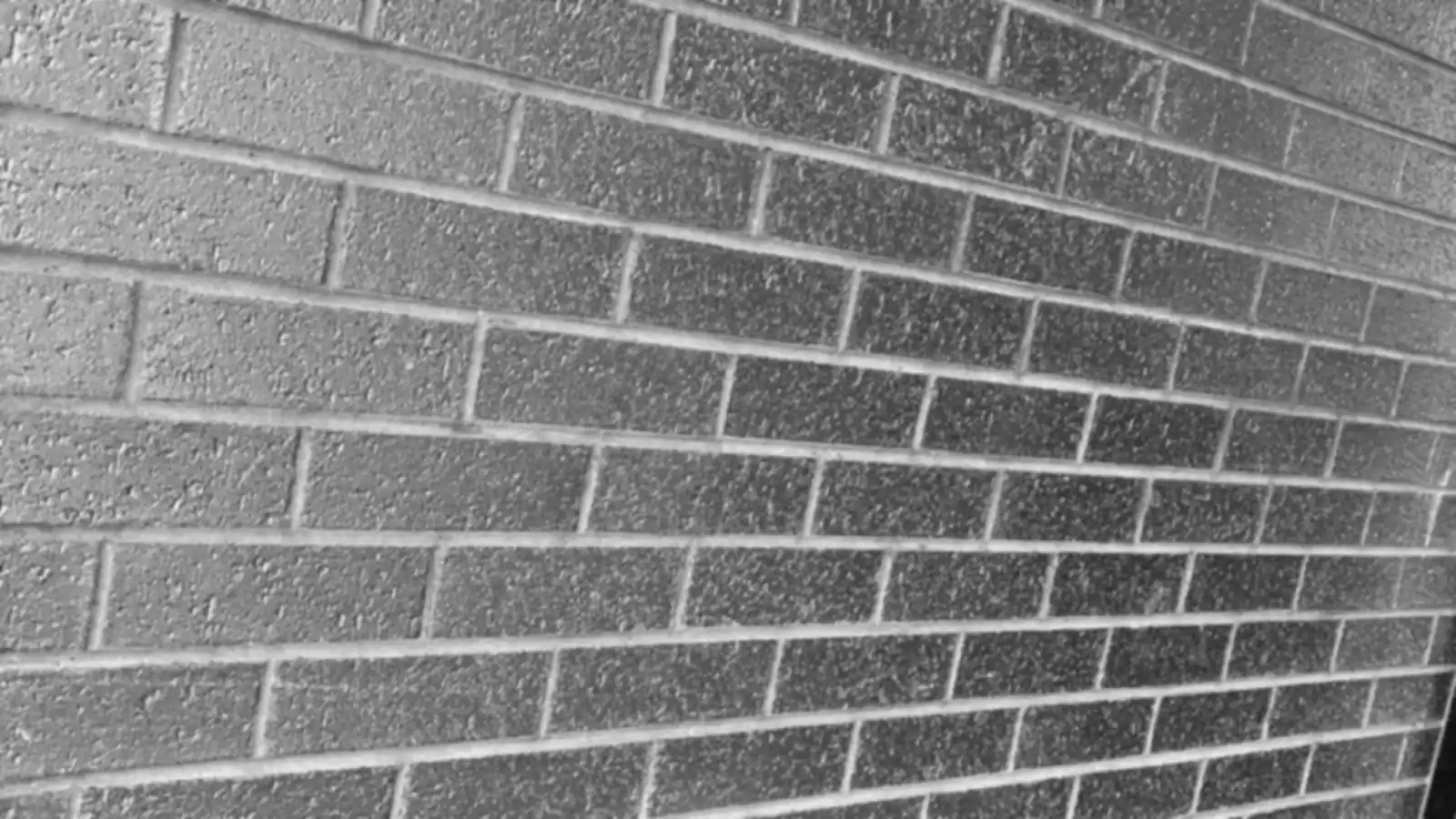
This Graffiti Removal article is written for Melbourne owners and managers who need more than a quick blast. Graffiti Removal jobs in our city require a surface diagnosis before any cleaning starts.
In Melbourne, everything from growth corridor new-build mortar smear to inner-suburb heritage brick has its own cleaning risk profile. The right method, chemistry and pressure keep the surface safe and the result lasting.
The signal effect of visible graffiti
Environmental criminology research consistently identifies visible graffiti as a signal that a surface is unguarded and acceptable for repeat tagging. In Melbourne commercial zones, a tag left for more than 72 hours typically attracts a second tag before the first is cleaned — and multiple tags in the same spot create a compounding cycle. The cost to the property owner includes not just the cleaning bill but the accumulated signal that makes the building a regular canvas for subsequent taggers. Rapid removal resets that signal every time, which is why councils and strata managers across Melbourne consistently recommend same-day or next-day response where possible.
What changes as paint cures on masonry
Fresh spray paint on brick or render is a surface coat sitting above the pore structure — standard solvents lift it efficiently within 48 hours of application. After 72–96 hours, the carrier solvents in aerosol paint begin to evaporate and the acrylic or enamel binder starts to cross-link and bond with the substrate at a molecular level. The deeper the bond, the more aggressive the removal chemistry needs to be — and the greater the risk of surface damage, ghosting or permanent staining. A tag that lifts quickly in the first 24 hours can take several times the work after a week if the paint has cured into the brick.
Insurance and council implications of delayed removal
Some Melbourne councils issue compliance notices requiring commercial property owners to remove graffiti within three business days; delayed response can trigger council-arranged removal and a cost-recovery notice that typically exceeds the original cleaning cost by a significant margin. Insurers covering strata and commercial properties increasingly include exterior maintenance obligations in policy schedules — visible uncleaned graffiti for more than five days is cited in some policy exclusions as evidence of inadequate property maintenance. Keeping a rapid-response graffiti removal contact is a straightforward risk management step that satisfies both council compliance requirements and common insurance maintenance obligations.
On the job
- Graffiti removed within 24 hours breaks the visible-canvas signal that attracts repeat tagging.
- Paint cured for more than 72 hours bonds more deeply and requires more aggressive chemistry.
- Delayed removal can trigger council compliance notices and may affect insurance policy obligations.
More guides
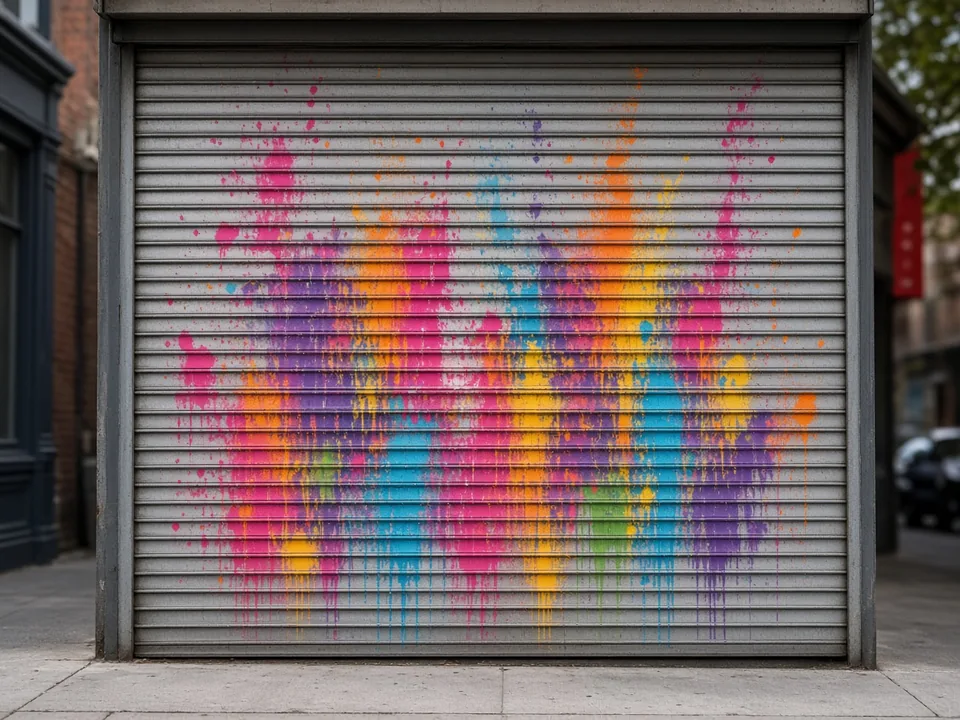
Commercial Shopfront Graffiti Removal in Melbourne: A Business Owner's Guide
How Melbourne business owners can plan fast, compliant graffiti removal for shopfronts, laneways and entry zones — with minimal disruption to trading.
Read guide →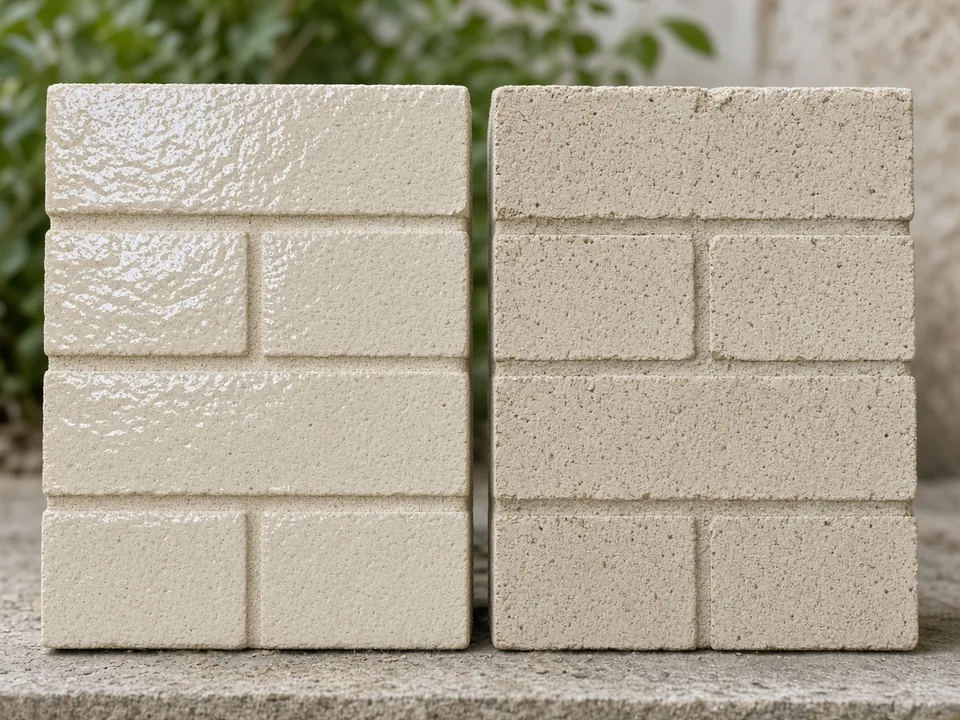
Anti-Graffiti Coatings Explained: Sacrificial vs Permanent for Melbourne Masonry
The two main anti-graffiti coating systems, how each works, what surfaces they suit and the cost comparison for Melbourne commercial and residential properties.
Read guide →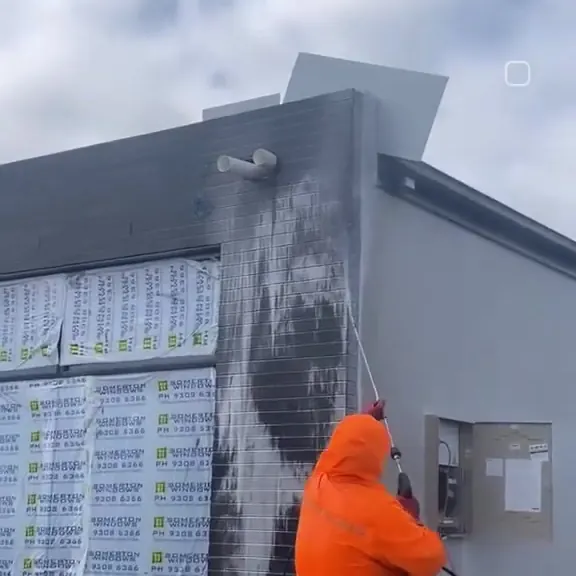
Melbourne Graffiti Removal: The Complete Surface-by-Surface Guide
Expert guide to graffiti removal across brick, render, painted surfaces, glass and metal in Melbourne — chemistry, pressure and anti-recurrence strategy.
Read guide →