Acid Burn Restoration · Brick Repair
Brick Acid Burn Restoration Melbourne
A look at brick already stained by the wrong acid, then a treatment that will not make it worse.
- Written fixed-price quotes
- Quotes from your photos
- Test panel on unfamiliar brick
or call 0405 477 173
- Quoted from photosSend photos, get a written fixed price
- Written fixed priceThe full price before we start
- Test panel firstOn cream, heritage and unfamiliar brick
- Victoria-WideMelbourne and across Victoria
Restore acid-burned brickwork with specialist methods
Acid burn on brick is a specialist restoration problem, not a standard clean. We repair and restore acid bleached, rust-streaked and etched brickwork after previous incorrect acid washing. Our process diagnoses the damage, removes surface stains safely, matches mortar and restores the facade so the wall looks consistent and structurally sound.
Acid burn is damage from chemistry, not dirt. It needs careful restoration and matching, not the same acid that caused it.
When acid reacts with iron in cream brick or with old mortar, it leaves rust-yellow streaks, etches the brick face and weakens the joint. Simply applying more acid makes the damage worse. We restore the wall by removing loose residue, treating rust stains with oxalic methods when safe, matching replacement mortar, and recommending the right follow-up for paint, sealer or repointing. The goal is to stabilise and improve the facade, not to keep chasing the same chemical process.
- Specialist assessment of acid damage before any work begins
- Safe stain lift methods for rust and acid residue
- Mortar repair with colour-matched blends
- Brick replacement and blending when needed
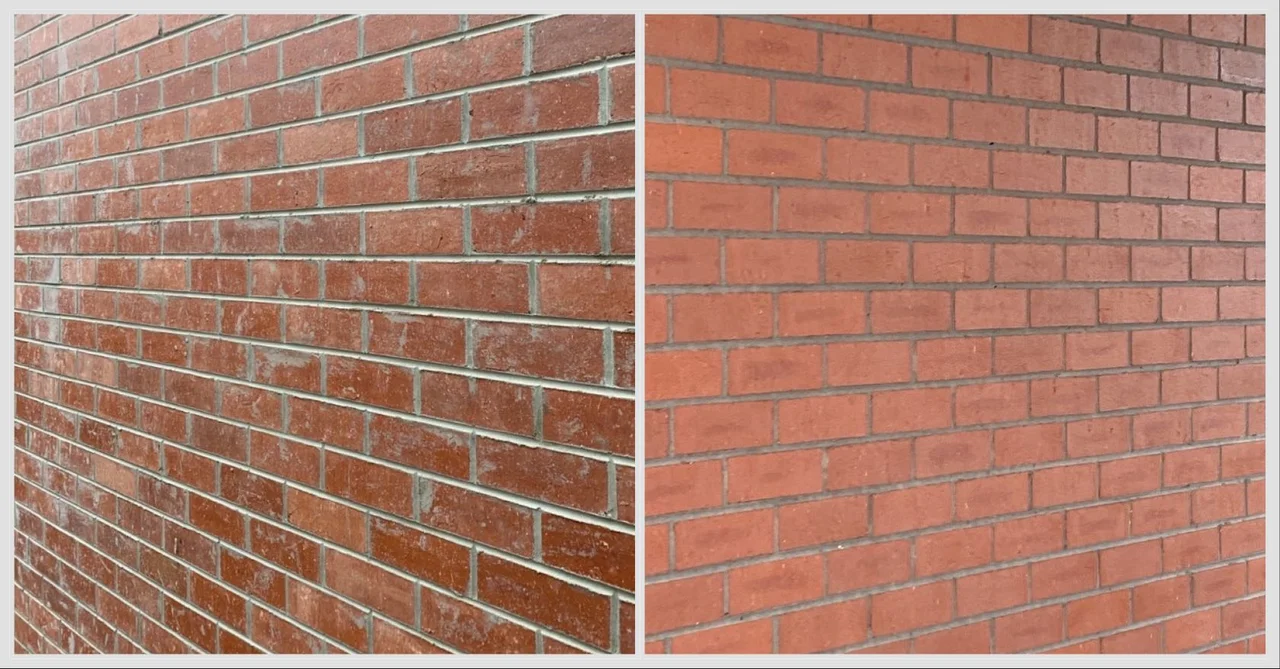
Melbourne acid burn restoration for affected brickwork
Acid burn is often caused by a generic brick clean without a test panel. The restoration path depends on whether the damage is surface staining, mortar burnout, or deep brick etching.
Surface stain removal and rust lift
We use specialist stain-lift chemistry and rust reduction techniques to remove acid burn residue without adding more acid damage. This is the first step before any repointing or colour matching.
Mortar repair and touch-up
Where mortar joints are burned or eroded, we repair and repoint with a colour-matched mortar that suits the original brickwork. The finish is blended to avoid patchy repairs.
Brick colour and texture restoration
In severe cases we recommend brick replacement or blending with matching brick inserts. Our aim is a visually consistent wall that is stable and weatherproof.
What We Do
- Acid burn diagnosis
- Rust stain lifting
- Mortar repair
- Brick blend restoration
- Heritage-safe restoration
- Post-clean handover
What We Won't Do
- A price without seeing the surface
- One method for every material
- Work outside Melbourne we have not confirmed
How We Do It
- 1
Damage assessment and photo review
We assess whether the damage is rust staining, etching, mortar burnout or acid residue. This determines whether the work is stain removal, repointing or brick replacement.
- 2
Safe stain lift
We treat acid burn stains with oxalic dye reduction and specialised cleaners where appropriate, avoiding strong hydrochloric acid on already compromised brick.
- 3
Mortar repair and repointing
Damaged mortar joints are cut back and repointed with a matching mortar blend. We aim for a finish that looks consistent with the existing brickwork.
- 4
Brick replacement or blending
Where bricks are too damaged, we replace them with matched face brick and finish the work so the repaired area blends with the surrounding wall.
- 5
Final inspection and advice
We inspect the restoration with the client, explain what was done, and recommend any follow-up such as sealing, painting or ongoing maintenance.
Surfaces We Work On
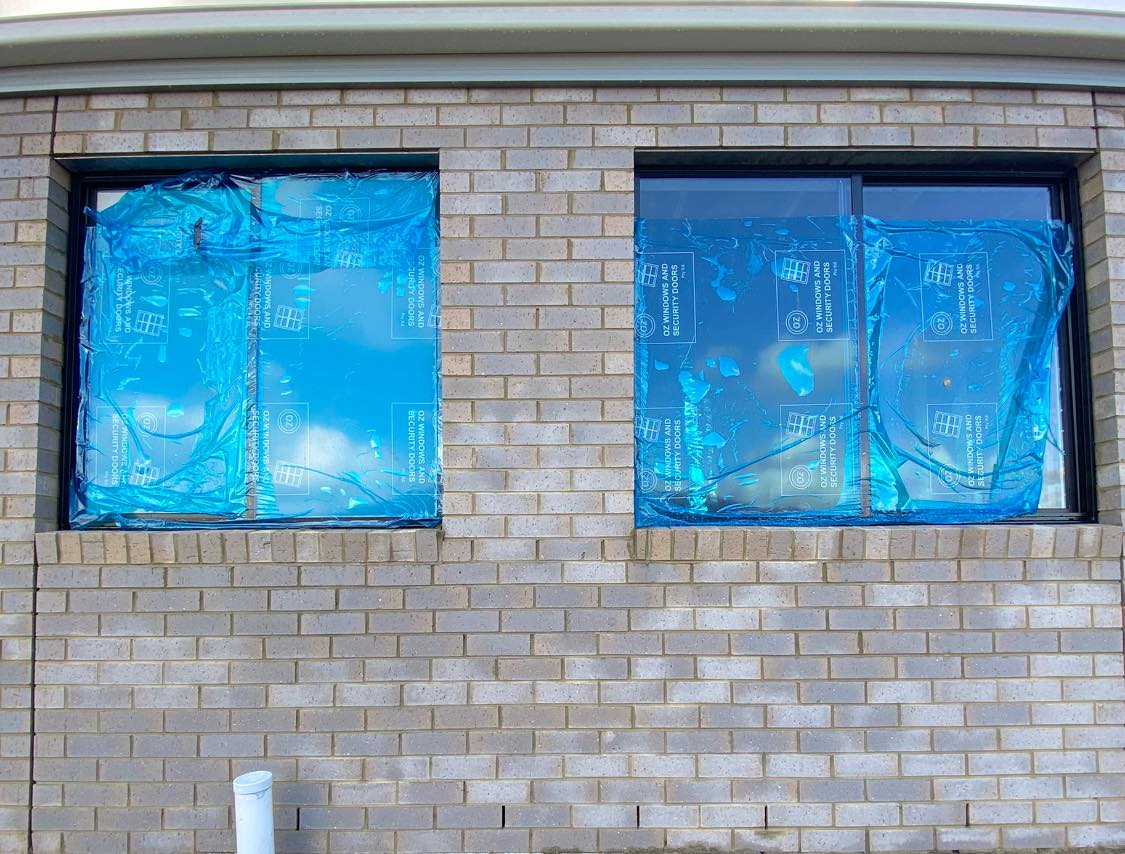 Cream and buff brick
How we clean it
Cream and buff brick
Most reactive to acid and most likely to show yellow burn streaks.
Red clay brick
How we clean it
Red clay brick
Can still suffer acid etching and mortar damage from poor cleaning.
Incorrect acid clean vs specialist acid burn restoration
| Factor |  Quick job Quick job |
 Spotless Spotless |
|---|---|---|
| Diagnosis | Quick job: None / wrong assumptions |
Spotless: Damage-based assessment and specialist restoration plan |
| Cleaning chemistry | Quick job: More acid |
Spotless: Oxalic stain lift, neutral chemistry and non-acid methods |
| Mortar repair | Quick job: Ignored |
Spotless: Colour-matched repointing where needed |
| Outcome | Quick job: Patchy or worsening damage |
Spotless: Stabilised, blended and restored façade |
When To Book
- When brick has visible yellow or rust streaks after a clean
- When mortar joints appear washed out and soft
- After a generalist cleaner has left the brick surface uneven
- Before repainting or sealing the repaired wall
- When you need a specialist assessment of acid burn damage
Acid burn restoration checklist
Send photos of the acid-stained area, the brick colour and texture, the original cleaning method if known, and whether the wall has already been treated by another contractor. Include notes on the wall’s age, access and whether the surface is painted or unpainted.
Send your photosWhat Melbourne Customers Say
Booked Spotless for an acid brick wash after a builder left mortar smear everywhere. They test-panelled first, then cleaned the whole facade — cream brick came up perfect with zero burn. Genuinely impressed.
Driveway and paths hadn't been touched in years. The team stripped years of grime and oil in a morning and left it spotless. Fair quote, on time, tidy. Would 100% use again.
Our rendered walls were covered in green mould. They soft-washed rather than blasting it and the render looks brand new without any damage. Really knew what they were doing.
Use these guys for final builder cleans on handover. Fast, thorough, and they understand not to wreck new surfaces. Photos before and after every time. Top tradies.
Heritage brick restoration on a 1920s home — I was nervous about acid burn but they matched the mortar and blended the brickwork beautifully. Careful, professional work.
Graffiti got tagged across our side wall twice. Spotless removed it cleanly both times without ghosting on the brick. Quick response and a really fair price.
Get Your Fixed Price Today
Send a few photos of the job and your suburb, and we reply with a written fixed price.
Call us
0405 477 173Service area
Victoria-Wide
Common Questions
What does brick acid burn actually look like?
The most common sign is vertical rust-yellow or orange streaking running down the wall from the mortar joints. On cream or buff brick it shows as dark tan or brown discolouration that looks like the brick has been scorched. Patchy dull areas, surface roughening and white salt blooms following a clean are also signs that the acid reacted incorrectly with the substrate.
What causes brick acid burn?
Acid burn is caused by hydrochloric acid reacting with iron compounds in the brick clay — particularly common in cream, buff and lighter clay bricks. Standard 1:10 dilution is safe for red clay brick but will cause visible iron staining on cream brick. It also occurs when acid contacts timber lintels above the wall, causing tannin to leach and stain downward. The most avoidable cause is a cleaner who uses one dilution for every brick type without a test panel.
Can acid burn on brickwork be fully reversed?
It depends on the depth and type of reaction. Surface-level iron staining responds well to oxalic acid draw treatments and can improve dramatically — sometimes to near-original appearance. Deep etching of the brick face, where the acid has changed the physical texture of the brick, cannot be fully reversed without brick replacement. We assess photos first and give you an honest estimate of what improvement is achievable before any work starts.
Will another acid wash fix the problem?
No. Applying more hydrochloric acid to acid-burned brickwork makes the damage worse, not better. The reaction has already occurred in the iron compounds — adding more acid drives it deeper and spreads the staining. Restoration requires oxalic-based stain lift chemistry, neutralising, and where joints are damaged, repointing. We use a completely different chemical pathway.
Should I let the wall dry completely before calling for a restoration assessment?
Yes. We assess the wall in dry conditions because wet brick hides the full extent of discolouration and surface damage. We recommend allowing at least 3–5 days of dry weather after rain before sending assessment photos, so the staining is visible at its worst.
How much does acid burn restoration cost in Melbourne?
Restoration is scoped per job because it depends entirely on the wall area affected, the depth of the reaction, and whether mortar or brick repair is needed. We quote a written fixed price from close-up photos of the staining and a wide shot of the full elevation, and tell you up front what improvement to expect.
How do I prevent acid burn on my next brick clean?
Insist on a test panel before any production acid wash, especially on cream, buff or heritage brick. The test panel is 30×30cm in a discreet location, checked 24 hours later in dry weather. If there is any colour shift, the dilution needs to drop or a non-acid method should be used. Any cleaner who quotes cream brick cleaning without mentioning a test panel should be questioned.