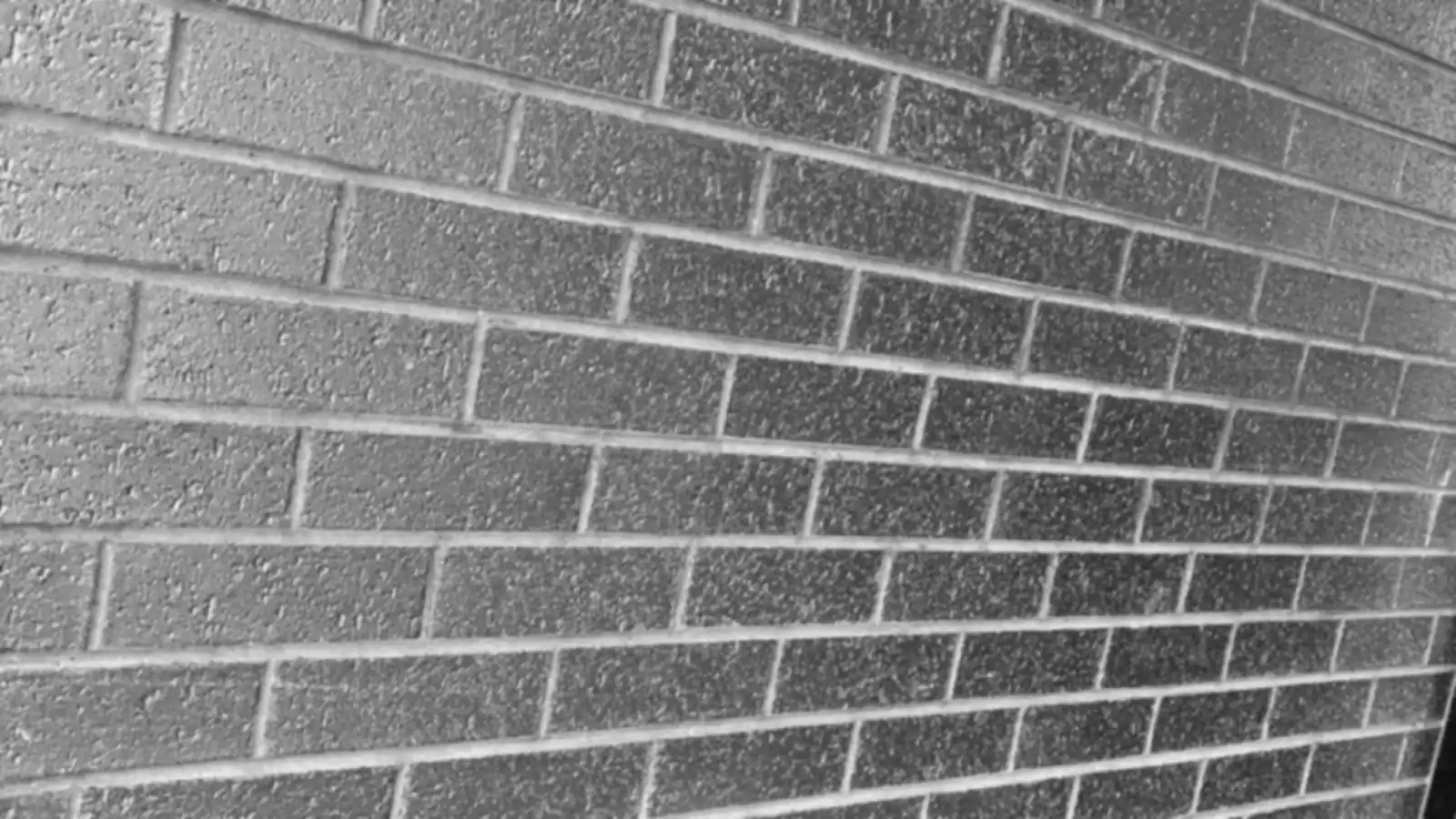
This Graffiti Removal article is written for Melbourne owners and managers who need more than a quick blast. Graffiti Removal jobs in our city require a surface diagnosis before any cleaning starts.
In Melbourne, everything from growth corridor new-build mortar smear to inner-suburb heritage brick has its own cleaning risk profile. The right method, chemistry and pressure keep the surface safe and the result lasting.
What a sacrificial coating actually does
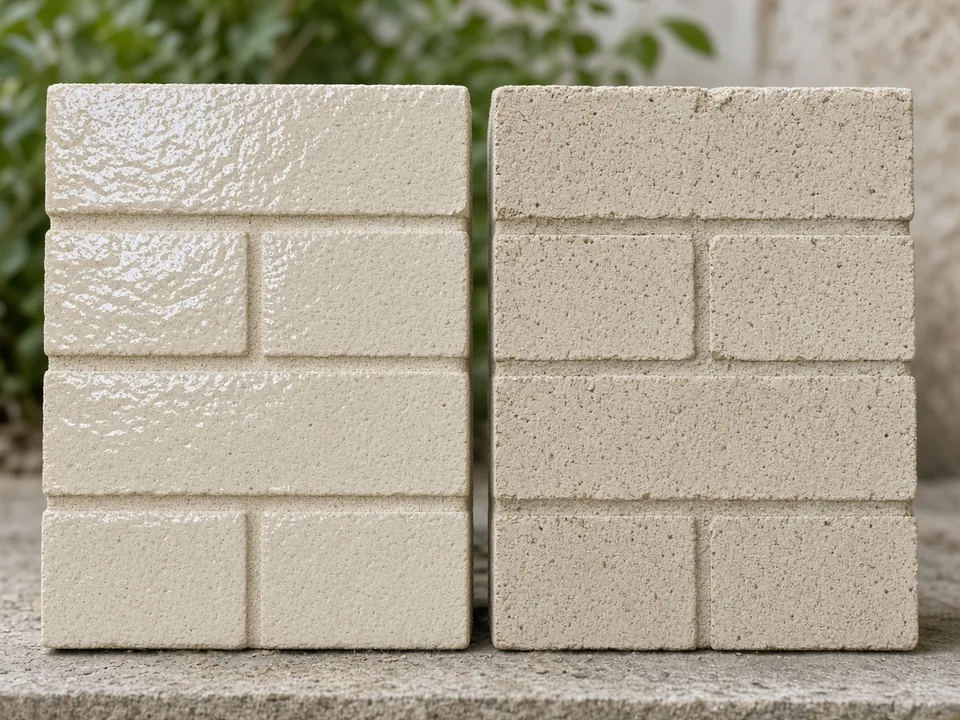
A sacrificial coating forms a thin film over the surface that graffiti paint bonds to instead of the substrate itself. When graffiti appears, the coating and tag are removed together with a mild solvent rinse at low pressure — the masonry beneath is never directly contacted by either the tag or the removal chemical. Reapplication is typically needed after each removal event, adding a predictable ongoing cost per clean cycle. For low-to-medium frequency tagging on porous brick or rendered walls, sacrificial systems are usually the most cost-effective entry point because the per-event cost is low.
Permanent coatings and why they cost more upfront
Permanent anti-graffiti products chemically bond to the substrate surface, forming a barrier that resists paint, marker and spray cans. Graffiti can be removed with a compatible solvent wipe or low-pressure hot water without removing the coating itself — meaning the surface can be re-cleaned dozens of times without reapplication. The upfront cost per square metre is significantly higher than sacrificial systems, but on surfaces tagged more than twice a year the total lifetime cost is often lower within two to three years. Not every substrate is compatible; some paint finishes and render types limit which permanent systems can be safely applied.
Choosing the right system for Melbourne conditions
Melbourne's UV exposure, coastal salt in bayside zones and temperature swings from 44°C summer days to sub-10°C winters all affect coating performance and longevity. A sacrificial product rated for five years in a temperate climate may lose adhesion faster on a north-facing wall in Dandenong or a salt-exposed surface in Brighton. Product data sheets specify substrate and climate suitability; always cross-reference before specifying a system. Applying the wrong coating to an incompatible surface can trap moisture behind the film, causing paint bubbling or efflorescence in masonry walls over time.
On the job
- Sacrificial coatings are removed with each clean; permanent coatings stay in place and resist repeated tags.
- High-frequency tagging sites typically recover permanent coating costs within 12–24 months.
- Melbourne climate and substrate compatibility must be confirmed before specifying any anti-graffiti system.
More guides
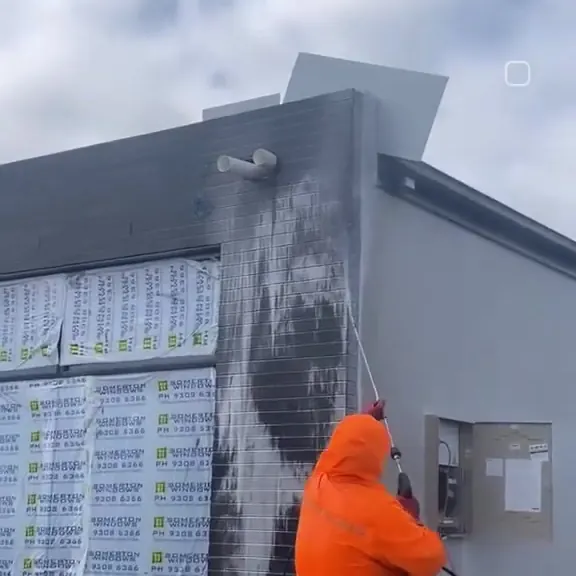
Melbourne Graffiti Removal: The Complete Surface-by-Surface Guide
Expert guide to graffiti removal across brick, render, painted surfaces, glass and metal in Melbourne — chemistry, pressure and anti-recurrence strategy.
Read guide →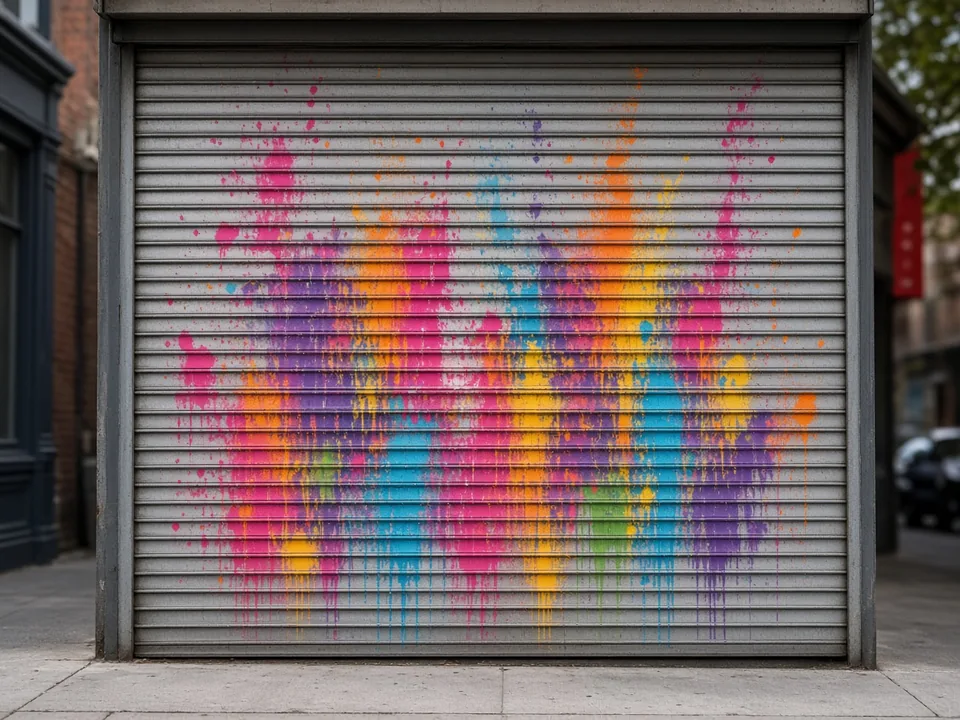
Commercial Shopfront Graffiti Removal in Melbourne: A Business Owner's Guide
How Melbourne business owners can plan fast, compliant graffiti removal for shopfronts, laneways and entry zones — with minimal disruption to trading.
Read guide →
Why 24-Hour Graffiti Removal Matters in Melbourne — And What Happens If You Wait
The evidence behind rapid graffiti removal as a recurrence-prevention strategy and the real cost of leaving tags on Melbourne commercial and residential surfaces.
Read guide →