
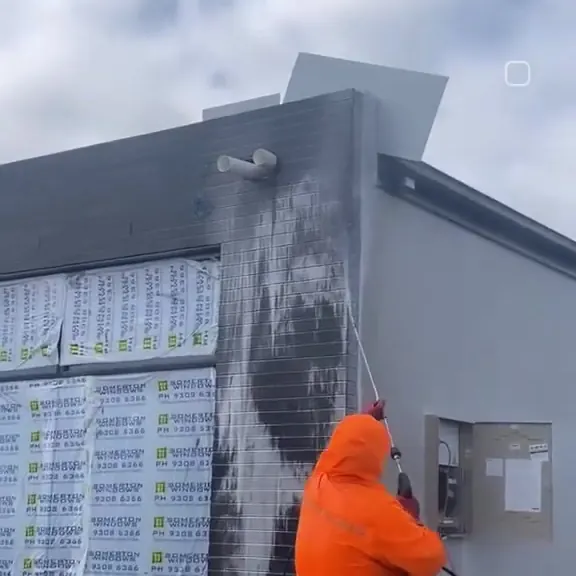
This Graffiti Removal article is written for Melbourne owners and managers who need more than a quick blast. Graffiti Removal jobs in our city require a surface diagnosis before any cleaning starts.
In Melbourne, everything from growth corridor new-build mortar smear to inner-suburb heritage brick has its own cleaning risk profile. The right method, chemistry and pressure keep the surface safe and the result lasting.
Speed matters for recurrence prevention
Research consistently shows that graffiti removed within 24–48 hours reduces re-tagging rates dramatically — visible tags signal that a surface is an unguarded canvas. On a Melbourne commercial strip, a tag left for a week often attracts additional work; one cleaned overnight typically is not repeated at the same site for months. The economics of reactive cleaning therefore include the avoidance cost of future jobs, not just the price of the single clean. For landlords and business owners managing multiple sites, an on-call rapid-response arrangement is often worth the service premium compared to waiting for a booking slot.
Working around trading hours
Commercial graffiti removal needs to happen before the first customers arrive, and most small shopfronts can be completed in 45–90 minutes with the right chemistry and equipment. For covered arcades, laneways with limited airflow and premises adjacent to food businesses, solvent choice must account for fume management and ensure the area is safe for morning foot traffic. A clear scope written before the job — surfaces, chemistry, access, timing — is the difference between a smooth early-morning start and a delayed, reactive scramble. Documenting what was cleaned, how and with what products protects against any disputed claims about pre-existing surface condition.
Council rapid-response programs and your obligations
Many Melbourne councils run graffiti management programs and require commercial property owners to remove graffiti within a specified timeframe — typically 3–5 business days. Failure to comply can result in the council arranging removal and issuing a cost-recovery notice directly to the property owner. Documenting removal with timestamped photos and job records protects against disputed liability, especially when graffiti straddles a property boundary or affects a shared wall. Knowing the specific council rules in advance allows you to respond appropriately and avoid the higher cost of a council-arranged removal.
Planning for anti-graffiti protection after removal
Once a surface is clean, the decision is whether to coat it against future tagging. Anti-graffiti coating adds upfront cost but fundamentally changes the economics of any future tagging event — each future removal becomes far quicker and gentler on the surface. For shopfronts in known tagging corridors — Footscray Road, Sydney Road, Chapel Street laneways — the investment typically recovers its cost within the first one or two re-tagging events. Including the coating option in the removal quote allows the business owner to make an informed cost comparison before the crew packs up.
On the job
- Graffiti removed within 24 hours significantly reduces repeat tagging frequency.
- Pre-trading-hours removal minimises disruption and keeps chemicals away from food premises.
- Council timelines for removal vary — document every clean to protect against liability.
More guides
Melbourne Graffiti Removal: The Complete Surface-by-Surface Guide
Expert guide to graffiti removal across brick, render, painted surfaces, glass and metal in Melbourne — chemistry, pressure and anti-recurrence strategy.
Read guide →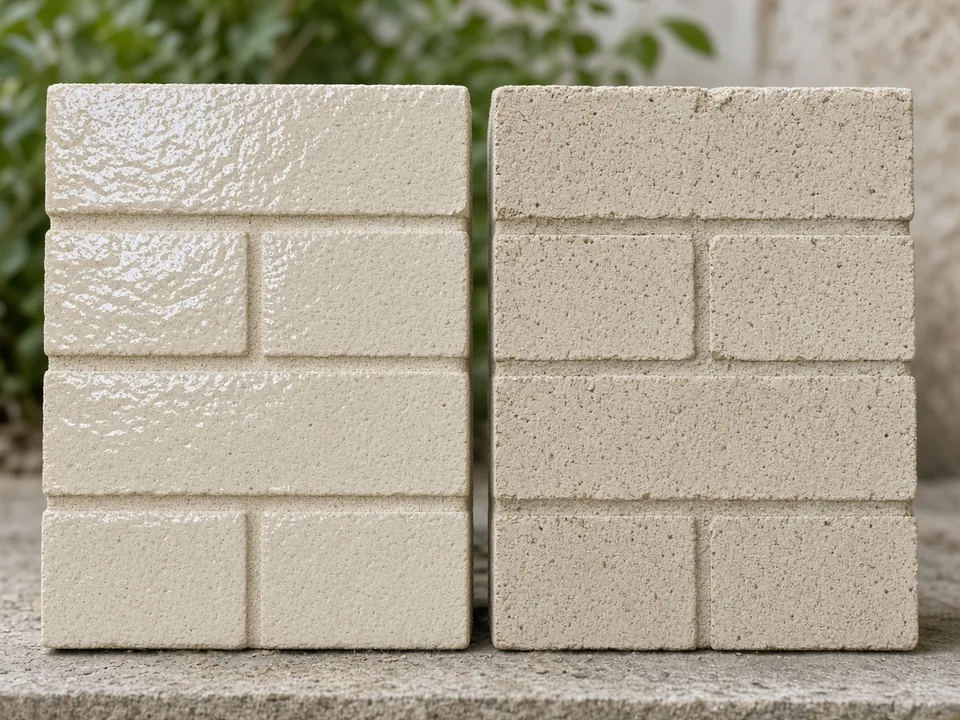
Anti-Graffiti Coatings Explained: Sacrificial vs Permanent for Melbourne Masonry
The two main anti-graffiti coating systems, how each works, what surfaces they suit and the cost comparison for Melbourne commercial and residential properties.
Read guide →
Dandenong Commercial Frontage Cleaning: Graffiti + Grime Combo
Dandenongs commercial corridor sees high graffiti rates plus diesel grime — heres the combined approach.
Read guide →