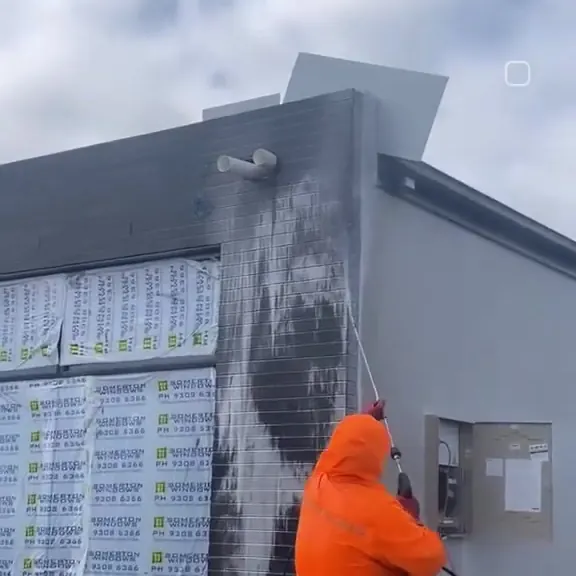
This Graffiti Removal article is written for Melbourne owners and managers who need more than a quick blast. Graffiti Removal jobs in our city require a surface diagnosis before any cleaning starts.
In Melbourne, everything from growth corridor new-build mortar smear to inner-suburb heritage brick has its own cleaning risk profile. The right method, chemistry and pressure keep the surface safe and the result lasting.
Why graffiti removal chemistry differs by surface
Brick, painted render, glass, anodised aluminium and raw concrete each absorb and release paint differently. On porous brick, spray paint penetrates into the surface; a masonry solvent must dwell long enough to lift pigment without driving it deeper. On painted render you have two paint layers — the tag and the building finish — so aggressive solvents risk lifting both. Surface diagnosis before any removal work starts is the step that determines the outcome.
The ghosting problem and how to avoid it
Ghosting is the faint outline left after removal — usually from the wrong product, wrong dilution, or pressure before the solvent finishes its draw. On porous masonry, rushing dwell spreads pigment laterally. A correct dwell cycle followed by a warm-water rinse at controlled pressure gives chemistry time to work. Two or three careful passes beat one aggressive blast for ghosting avoidance on Melbourne brick and block walls.
Sacrificial vs permanent anti-graffiti coatings
A sacrificial coating is removed with the graffiti and then reapplied. A permanent coating bonds to the substrate so most tags wipe off without stripping the protection. In corridors such as Dandenong, Footscray and Springvale, permanent systems often pay back on surfaces tagged more than twice a year. Confirm substrate compatibility before specifying either system so moisture is not trapped behind the film.
Timing: fresh paint versus cured paint
Fresh aerosol on brick or render is easier within the first day or two. After several days the binder cross-links and bonds deeper into pores, so chemistry must work harder and ghosting risk rises. Rapid response is not only about street presentation — it is also about easier, gentler removal on the next visit.
Working on occupied and trading sites
Shopfronts, laneways and strata podiums need early starts, fume awareness near food premises, and clear pedestrian management. Write the surfaces, access and timing into the scope before arrival. Timestamped photos protect owners when tags straddle boundaries or when council compliance clocks are running.
When graffiti goes beyond cleaning
Years of layered tags, solvent residue and ghost staining can exceed what cleaning alone can fix. Painting over a prepared primer base is sometimes more practical on rendered walls. Heritage brick and overlay controls may need council advice before coatings or aggressive solvents. A specialist assessment before locking a method saves cost and protects protected materials.
On the job
- Surface diagnosis determines the correct removal chemistry — one approach does not suit all substrates.
- Rushing the dwell phase causes ghosting; correct timing and controlled pressure are the fix.
- Anti-graffiti coatings change the economics on repeat-tagged Melbourne commercial properties.
- Act within 24–48 hours where possible — cured paint bonds deeper into porous masonry.
More guides
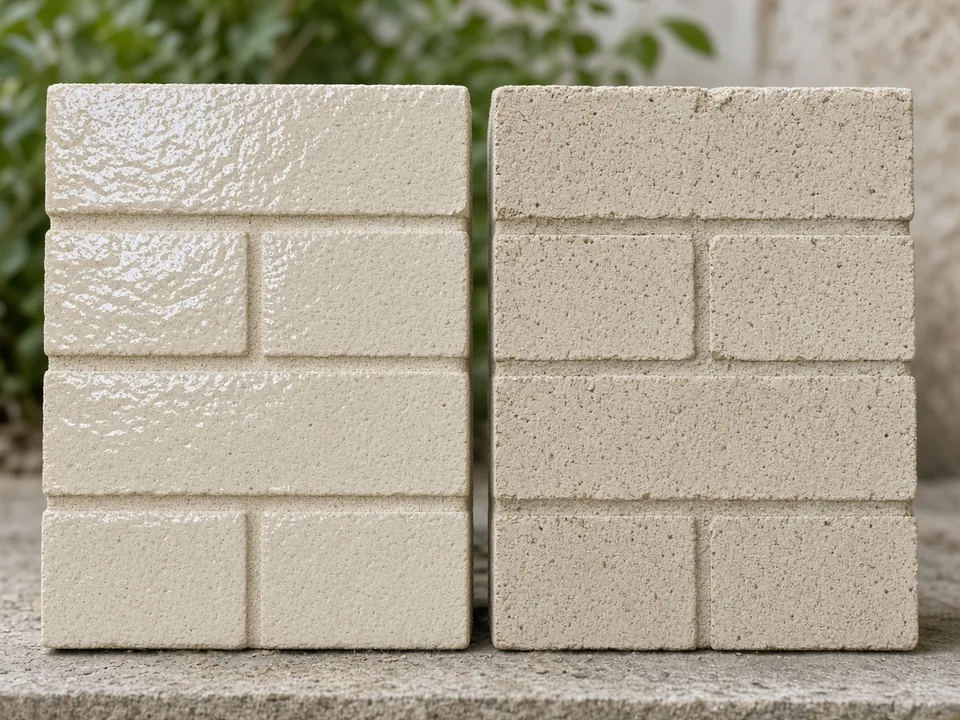
Anti-Graffiti Coatings Explained: Sacrificial vs Permanent for Melbourne Masonry
The two main anti-graffiti coating systems, how each works, what surfaces they suit and the cost comparison for Melbourne commercial and residential properties.
Read guide →
Commercial Shopfront Graffiti Removal in Melbourne: A Business Owner's Guide
How Melbourne business owners can plan fast, compliant graffiti removal for shopfronts, laneways and entry zones — with minimal disruption to trading.
Read guide →
Graffiti Removal from Porous Brick Without Ghosting
Aggressive solvents leave a "ghost" outline of the tag. Heres how to avoid it.
Read guide →