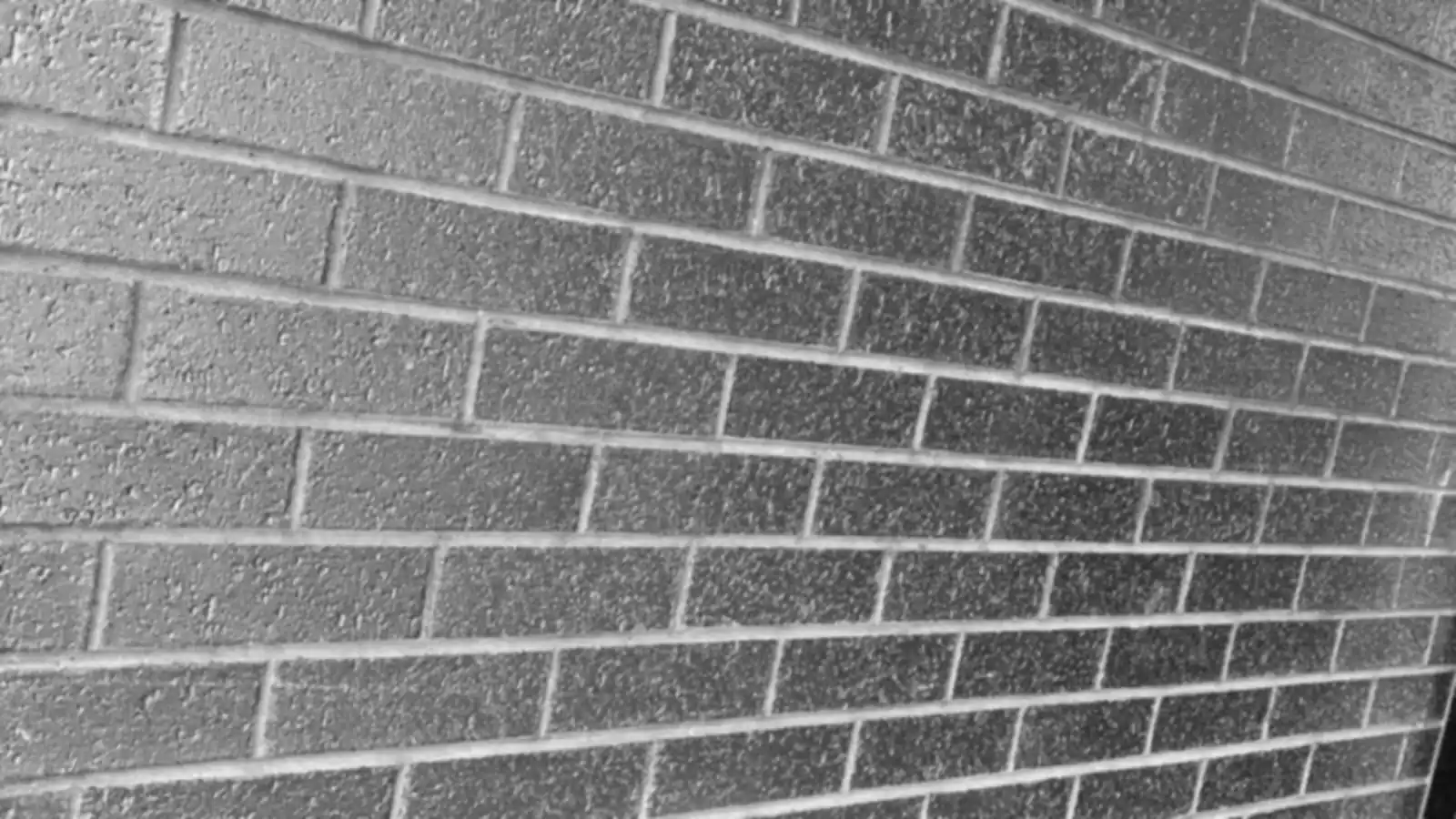
This Builder Final Clean article is written for Melbourne owners and managers who need more than a quick blast. Builder Final Clean jobs in our city require a surface diagnosis before any cleaning starts.
In Melbourne, everything from growth corridor new-build mortar smear to inner-suburb heritage brick has its own cleaning risk profile. The right method, chemistry and pressure keep the surface safe and the result lasting.
Access is a cost and quality lever
Working from existing scaffold lets crews reach gables, returns and garage feature walls without a separate elevated platform mobilisation. In Tarneit, Clyde and similar corridors, that difference shows on the fixed price and on how evenly the upper third of the wall is finished.
Safety systems already on site
Tagged scaffold, edge protection and established exclusion zones simplify SWMS alignment. Cleaners still need induction and to respect load limits — hoses and drums add weight. Confirm with the site supervisor before boarding platforms.
Timing against the smear window
If brick was finished recently, cleaning before strip often lands inside the easier 7–10 day smear window. Waiting for landscape and soft flooring trades can push the wall into harder carbonated smear while access gets worse.
Protect other trades' work
Mask or sequence around fresh paint, untreated timber and unfinished glazing. Agree a zone order with the supervisor so electricians and painters are not working under rinse mist. Communication prevents the classic "who stained my sill" argument.
What to put in the booking note
Scaffold company contacts if relevant, load limits, water point, brick type, lot number and target clean date before strip. Photos from the top lift help quote upper elevations accurately.
If scaffold is already gone
Jobs still proceed with ladders or EWPs where suitable, but price and weather sensitivity change. Say so early. Do not assume a scaffold-era price still applies after strip day.
On the job
- Scaffold access usually cuts time and risk on double-storey elevations.
- Align the clean with the 7–10 day smear window where possible.
- Tell the cleaner what scaffold tags and site rules apply.
- Strip-first programmes often pay more for EWPs later.
Common questions
Should we delay scaffold strip for the brick clean?
Where the programme allows, yes — cleaning while scaffold is up is usually safer and more cost-effective on double-storey work.
What if scaffold is already stripped?
The clean can still proceed with suitable access equipment, but tell us early so the quote reflects EWP or ladder methods.
More guides
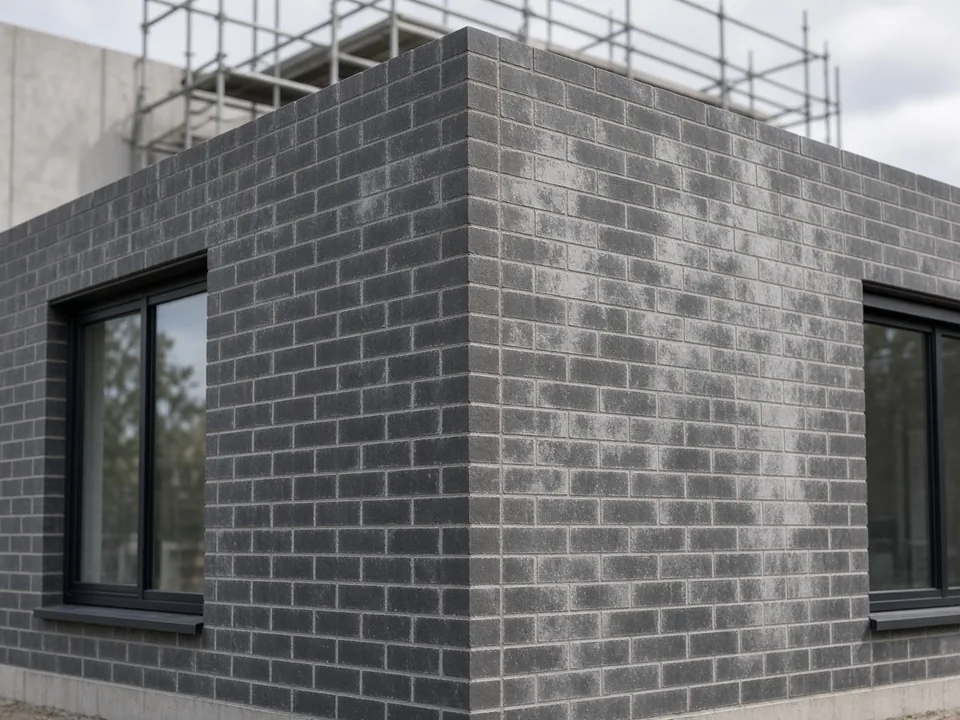
New Build Brick Haze: The 7–10 Day Window for an Optimal Clean
Why builders book a new-build brick clean 7–10 days after laying for an optimal clean — and what happens if you wait longer.
Read guide →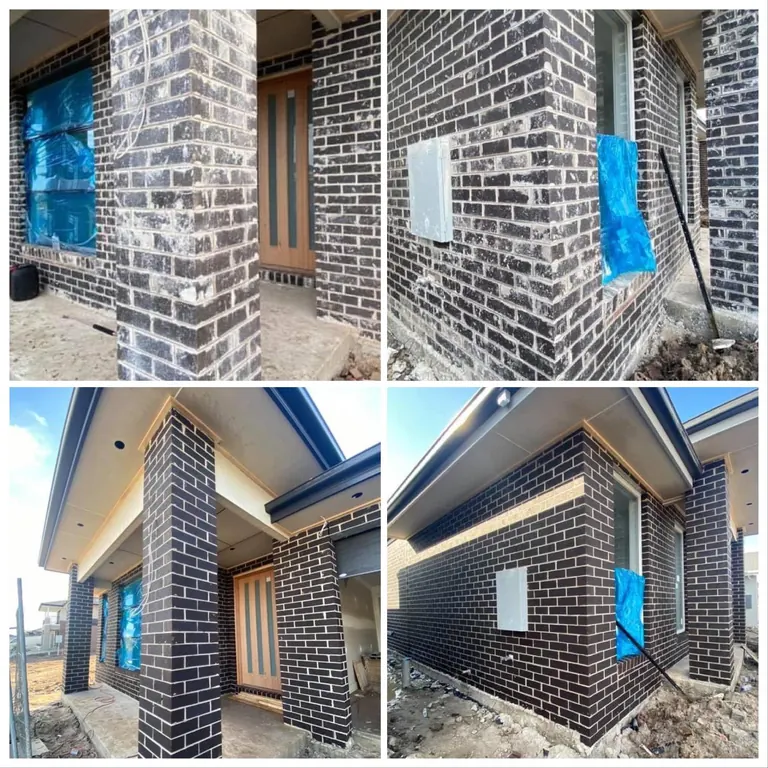
Builder Final Clean: What's Included and Why It's Not a General Clean
The full scope of a professional builder final clean for Melbourne new builds — brick washing, concrete paths, glass, frames and the documentation builders need for handover.
Read guide →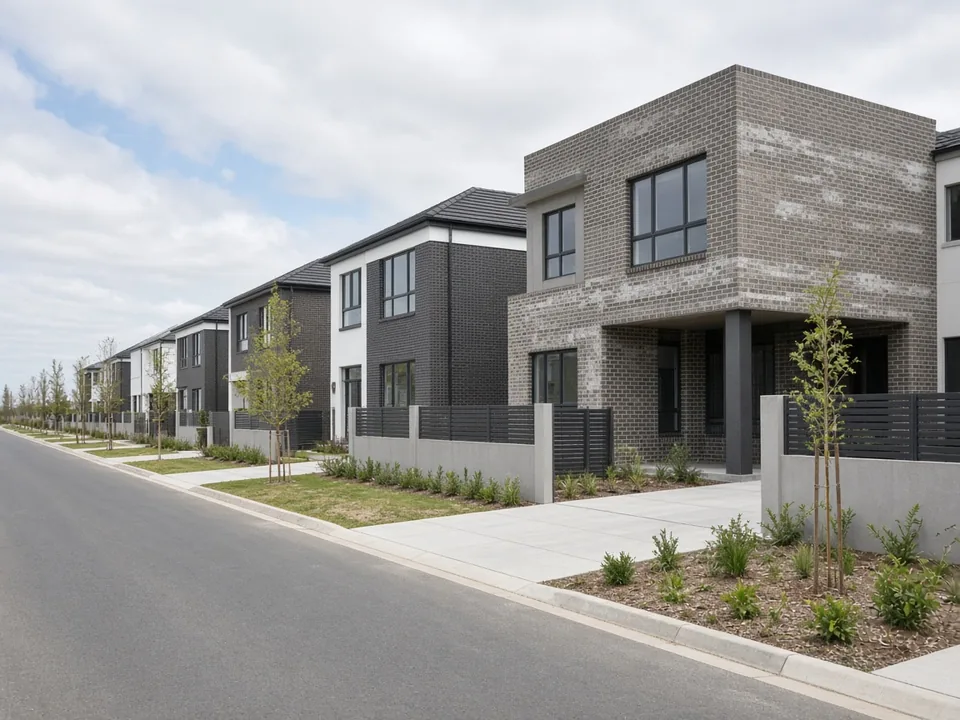
Growth Corridor Brick Cleaning: What Tarneit, Cranbourne and Clyde Builders Need to Know
Specialist brick cleaning considerations for Melbourne's western and south-eastern growth corridors — mortar types, build density, timing constraints and scheduling at scale.
Read guide →