This Brick Cleaning article is written for Melbourne owners and managers who need more than a quick blast. Brick Cleaning jobs in our city require a surface diagnosis before any cleaning starts.
In Melbourne, everything from growth corridor new-build mortar smear to inner-suburb heritage brick has its own cleaning risk profile. The right method, chemistry and pressure keep the surface safe and the result lasting.
Why growth corridor jobs have a different risk profile
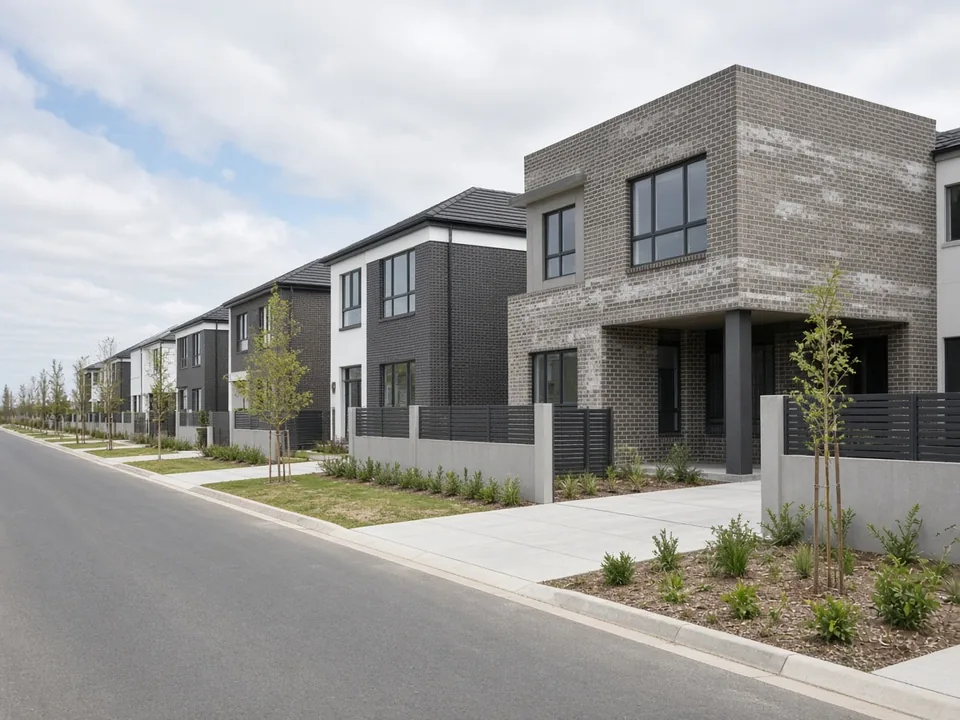
Melbourne's western and south-eastern growth corridors — Tarneit, Point Cook, Wyndham Vale, Cranbourne, Clyde, Officer — produce the highest volume of new-build brick cleaning work in the state, and also some of the most time-pressured and highest-stakes jobs. Builders are managing tight handover schedules, multiple lots under construction simultaneously, and clients who have been waiting 12–24 months for their home. A brick cleaning error on a cream brick facade in Tarneit that results in iron staining cannot be quickly fixed — acid burn restoration on a new build delays handover, generates dispute correspondence and often involves insurance claims. The risk of getting it wrong is disproportionately high in this environment.
Common brick types in the growth corridors and their cleaning risks
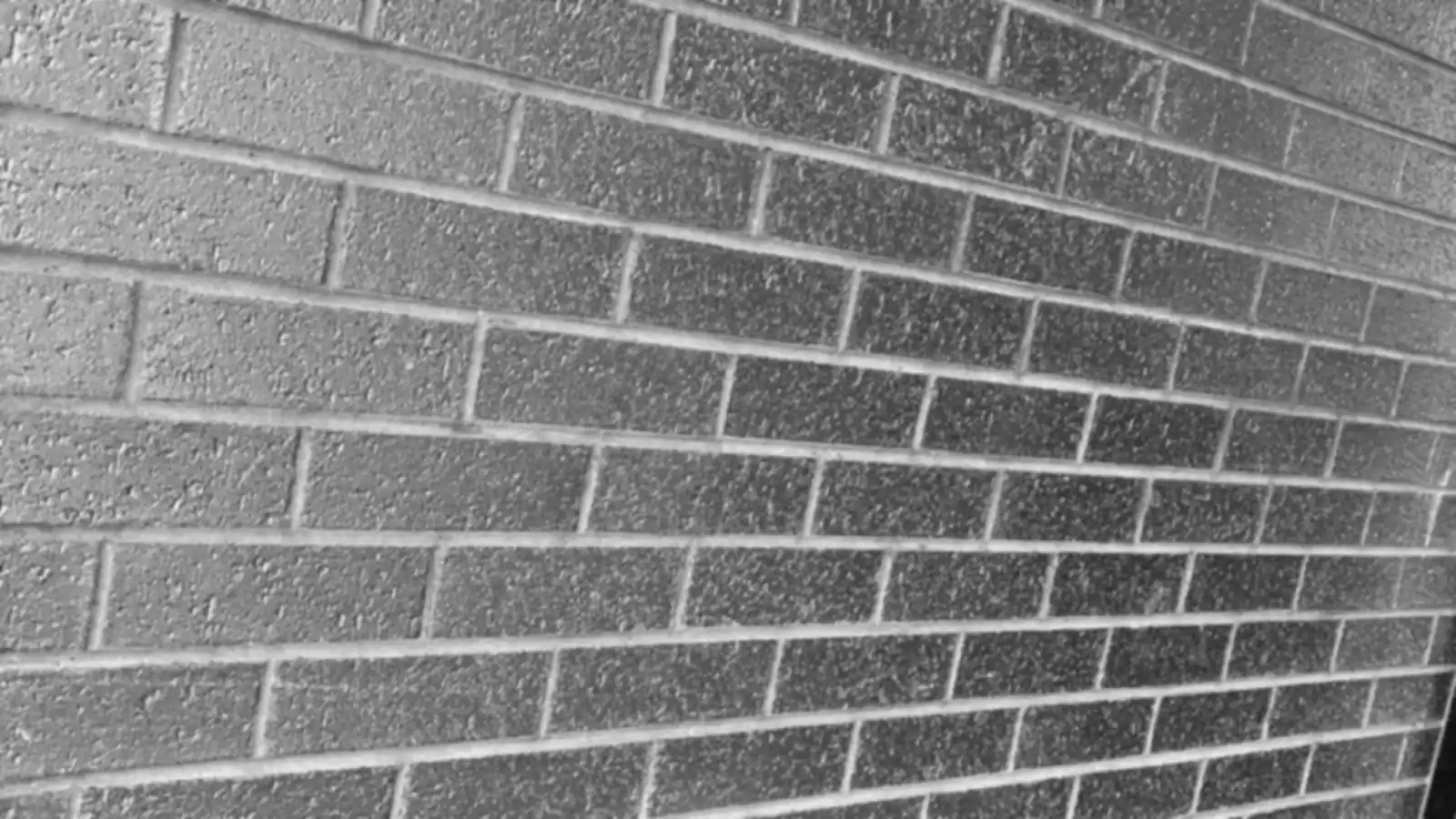
The most common brick types in Melbourne's growth corridors include smooth cream and buff bricks (high iron reaction risk with standard acid concentrations), textured grey and charcoal bricks (relatively forgiving with correct dilutions but prone to blotching if pre-wet is insufficient), and feature panel bricks with mixed colour sets (require careful zoning to avoid colour variation from differential acid reaction). Cream bricks in particular need conservative acid dilutions — many growth corridor jobs use hydrochloric acid at 1:25 to 1:40 water-to-acid ratio where standard jobs use 1:10. Running a test panel on every new brick specification is not optional in this environment; it is the step that prevents a routine clean from becoming an expensive restoration.
Scheduling the clean within the builder's programme
The window for an optimal clean on growth corridor new-build brick is 7–10 days after brick completion, while scaffolding is still erected and before landscaping has been installed. Scaffold access dramatically reduces the cost of second-storey and gable work; once it is down, EWP hire and setup adds significantly to the job price. Landscape installation after the brick clean means there is no risk of acid or cleaning chemical contact with turf, garden beds and irrigation lines. Working with the builder's programme coordinator to reserve a cleaning date during the scaffold phase is the most cost-effective arrangement for all parties.
Volume accounts and repeat business in the growth corridor
Most experienced growth corridor builders work with the same brick cleaner across multiple lots in a development, which allows the cleaner to understand the brick specification and site conditions before arriving on day one. Volume accounts typically benefit from per-lot fixed pricing, priority scheduling during the builder's programme crunch, and a standing documentation format that the builder's supervisors can use directly in their handover packages. For cleaners, volume relationships in Tarneit, Point Cook and Officer are worth cultivating specifically because handover deadlines create reliable, repeating demand on a predictable schedule. For builders, a standing relationship means no quoting delays when the programme moves.
On the job
- Cream and buff bricks in Melbourne's growth corridors need conservative acid dilutions — test panel before every new specification.
- Book the clean during the scaffold phase, before landscaping, to minimise cost and contamination risk.
- Volume accounts with growth corridor builders provide predictable scheduling and allow chemistry to be pre-matched to the brick specification.
More guides

Tarneit & Point Cook: Builder Handover Cleans Done Right
Western growth corridor new-builds need brick acid wash + final concrete clean before handover.
Read guide →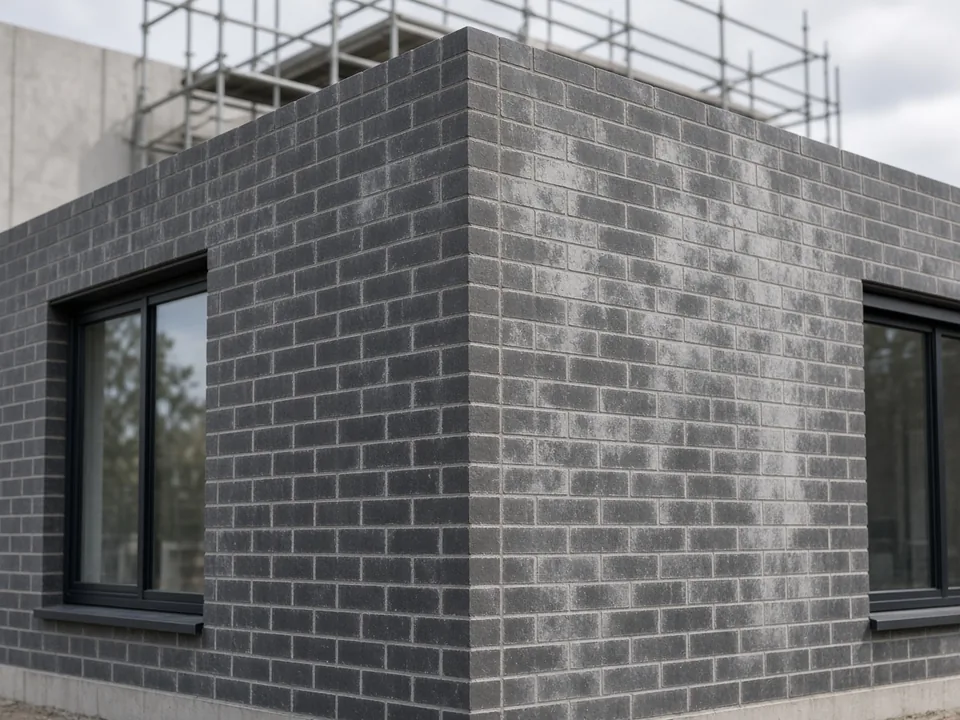
New Build Brick Haze: The 7–10 Day Window for an Optimal Clean
Why builders book a new-build brick clean 7–10 days after laying for an optimal clean — and what happens if you wait longer.
Read guide →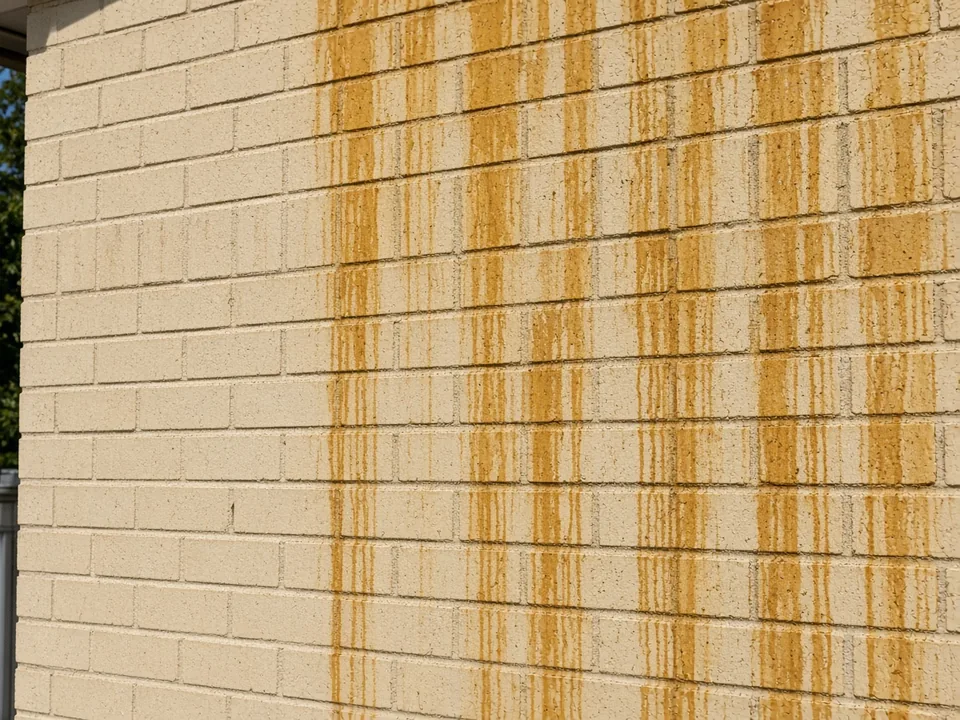
Why Hydrochloric Acid Wash Is Not Always Right for Cream Brick
Cream and lighter clay bricks can yellow, burn or tannin-stain when acid wash is used wrong. Here is when to skip acid entirely.
Read guide →