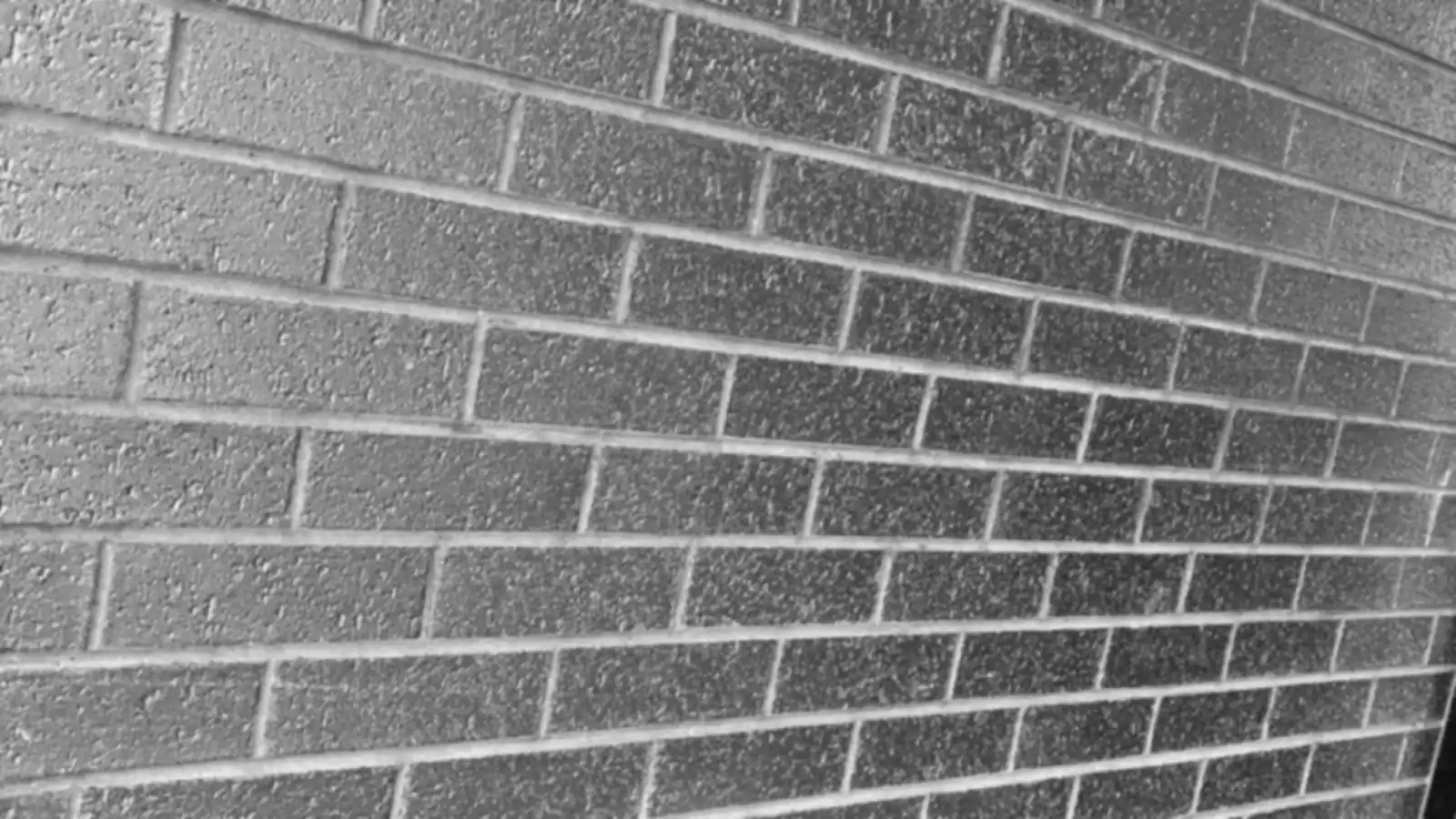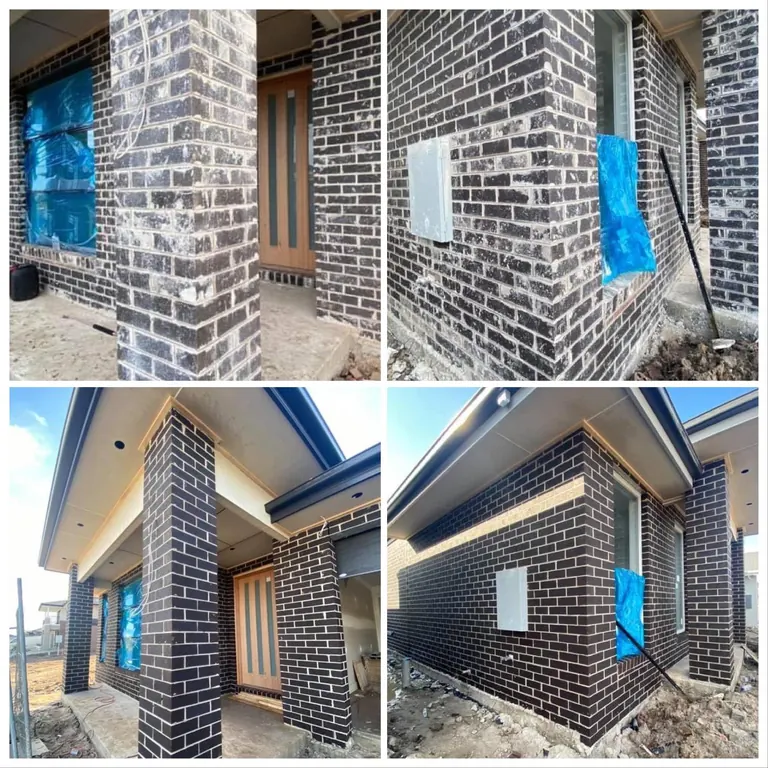
This Builder Final Clean article is written for Melbourne owners and managers who need more than a quick blast. Builder Final Clean jobs in our city require a surface diagnosis before any cleaning starts.
In Melbourne, everything from growth corridor new-build mortar smear to inner-suburb heritage brick has its own cleaning risk profile. The right method, chemistry and pressure keep the surface safe and the result lasting.
Why a builder final clean is a specialist scope
A builder final clean addresses construction residue — mortar smear, acid haze, grout film, concrete dust, silicone overspray, trade-vehicle tyre marks — that needs specific chemistry and technique. Household products will not shift mineral haze from brick or glazing bars, and the wrong acid dilution damages cream brick and paint. Scope must match residue type on each surface, which is why assessment before quoting is standard for experienced operators.
Standard scope items on a Melbourne residential new build
A complete clean typically covers exterior brick wash for mortar smear and construction dust; driveway and path pressure clean for tyre marks and cement splatter; window glass and frames including silicone and paint overspray; facade detail rinse with ledges and weep holes cleared; and a written per-elevation photo set for the builder file. Jobs that skip documentation leave supervisors without evidence at client walkthrough.
Sequence that prevents rework
Brick first while access is good, hard surfaces next, glass last. Acid rinse dripping onto a finished driveway means cleaning the slab twice. Glass cleaned before brick work is recontaminated by dust and mist. General cleaners who work room-by-room instead of residue-by-residue create predictable callbacks that callers absorb.
The 7–10 day window and scaffold timing
Mortar smear is easier to remove about 7–10 days after laying, when mild dilutions still work. After months of carbonation, stronger chemistry raises burn risk on cream brick. Booking during the scaffold phase keeps double-storey and gable work efficient. Cleaning after landscaping risks chemical contact with new turf and garden beds.
What is usually out of scope
Internal detail cleans, paint touch-ups, silicone reinstatement, defective brick replacement and structural defects are separate trades. A clear exclusions list on the quote stops arguments on handover day. If acid burn from a previous cleaner is already present, restoration is a different ticket to a standard wash.
Documentation as a warranty protection tool
Per-elevation photos at completion serve as a baseline if substrate claims arise after occupation. Multi-lot developments benefit from per-lot photo sets that show a consistent standard before the occupation certificate path. Include suburb, lot and date in filenames so site supervisors can file the set without renaming chaos.
On the job
- Builder final clean targets construction mineral residue — not household grime.
- Booking about 7–10 days after brick laying delivers an optimal clean at lower chemical risk.
- Correct sequence is brick, then hard surfaces, then glass.
- Per-elevation photo reports at handover create a useful warranty baseline.
More guides
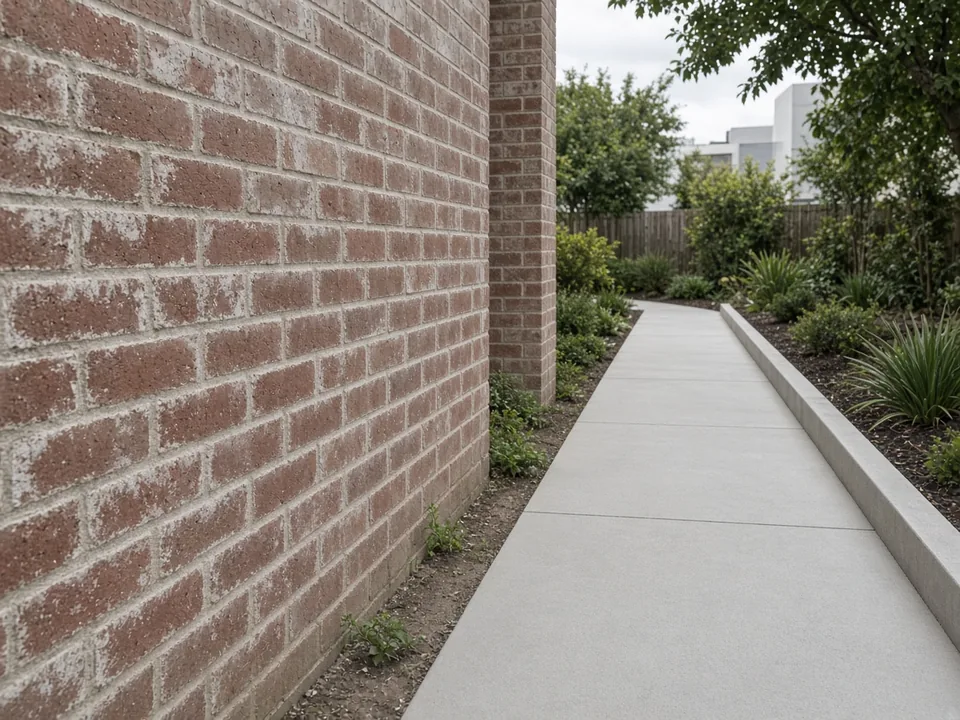
Builder Final Clean vs General Clean: Why the Difference Matters on Melbourne New Builds
What separates a professional builder final clean from a general post-construction cleanup — chemistry, sequencing, documentation and surface safety.
Read guide →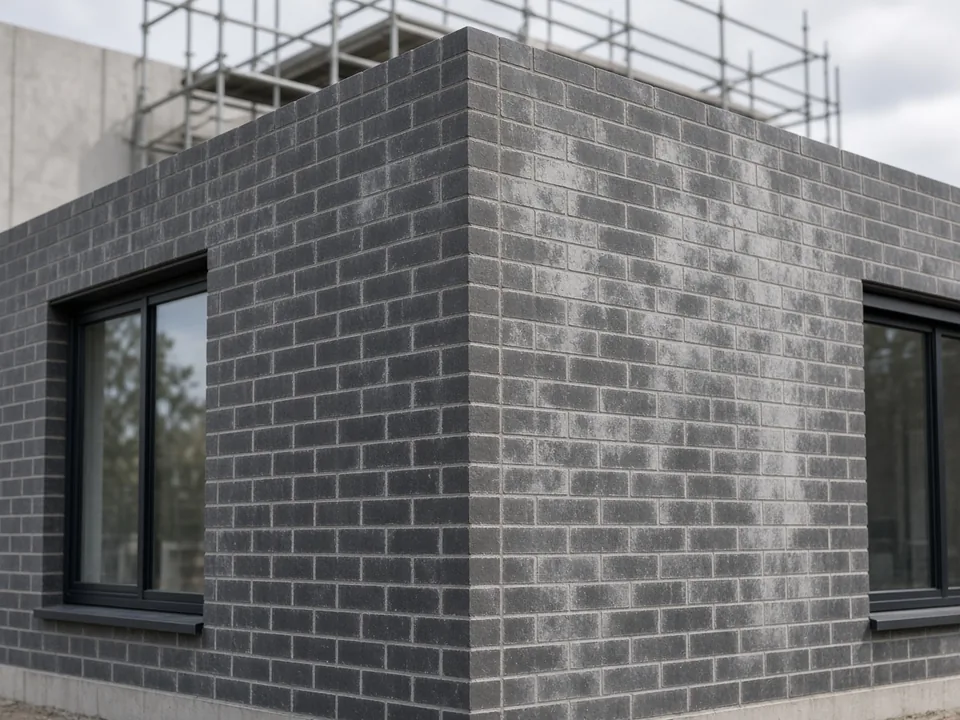
New Build Brick Haze: The 7–10 Day Window for an Optimal Clean
Why builders book a new-build brick clean 7–10 days after laying for an optimal clean — and what happens if you wait longer.
Read guide →
Builder Final Clean Checklist for Melbourne New Builds (In the Right Order)
A practical pre-handover cleaning checklist covering every exterior surface on a Melbourne residential new build — sequenced correctly to avoid rework.
Read guide →