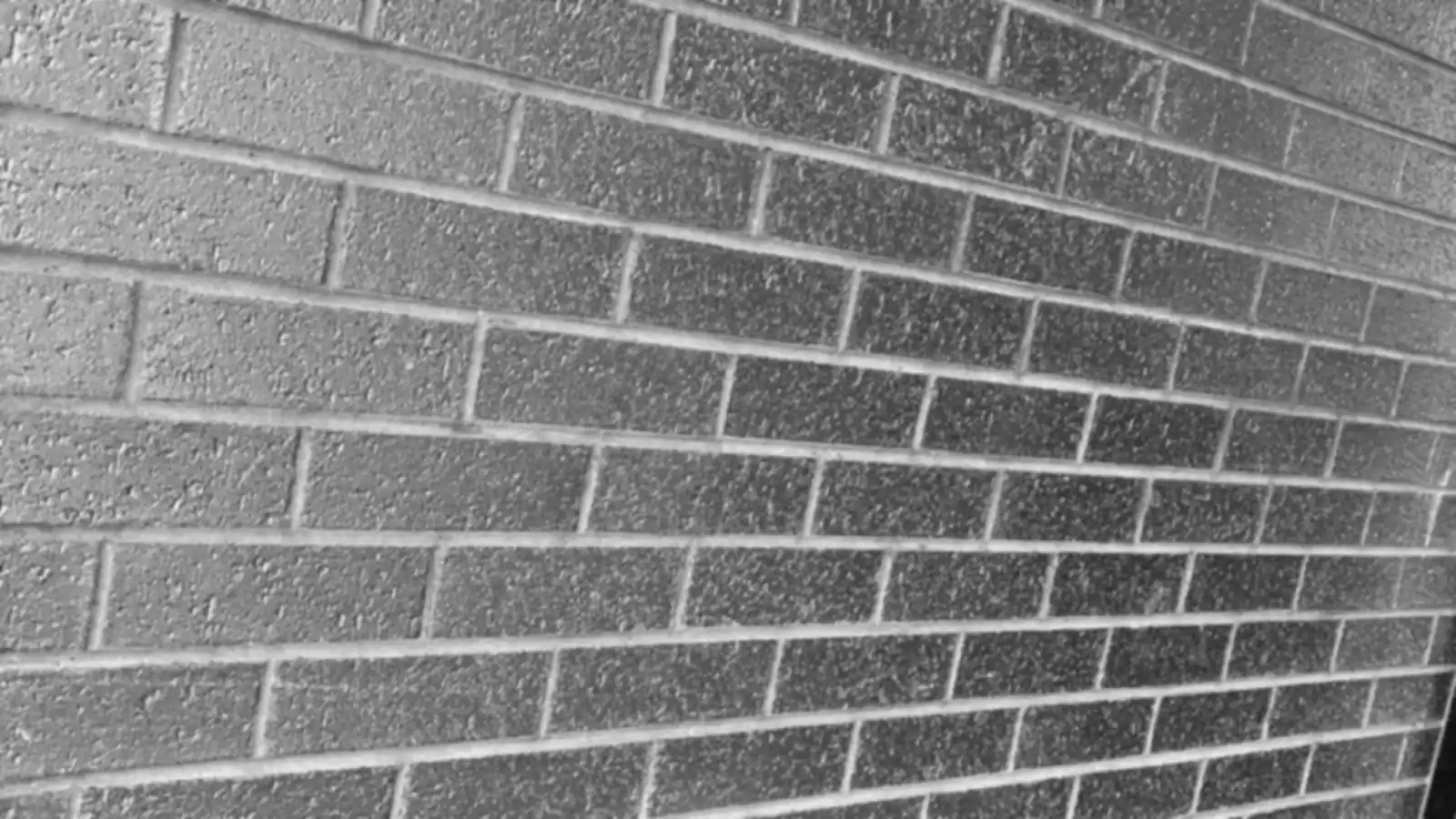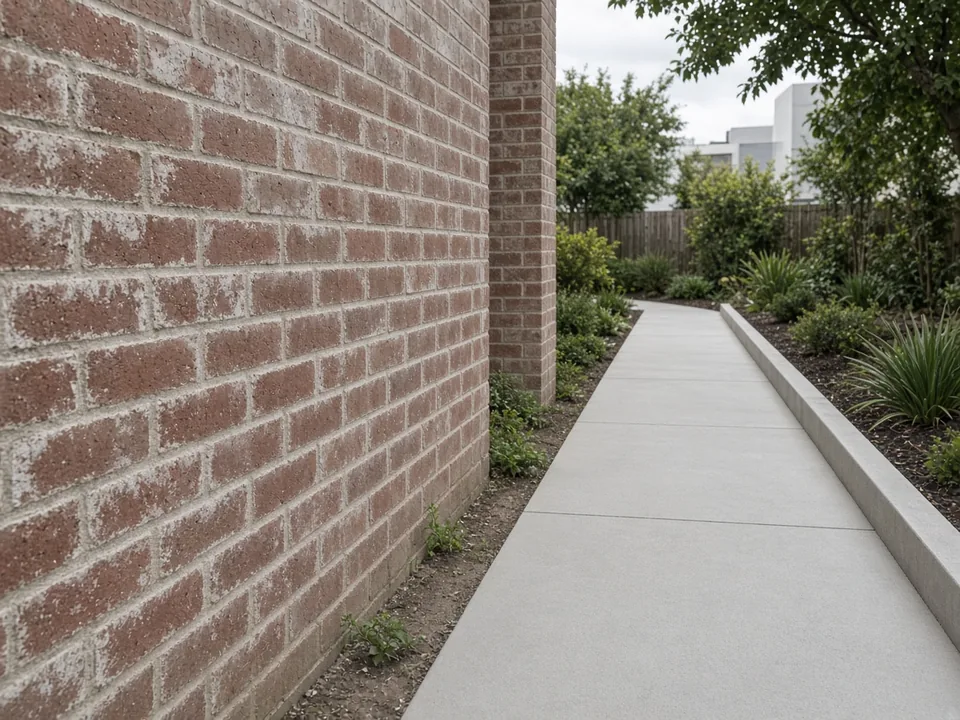
This Builder Final Clean article is written for Melbourne owners and managers who need more than a quick blast. Builder Final Clean jobs in our city require a surface diagnosis before any cleaning starts.
In Melbourne, everything from growth corridor new-build mortar smear to inner-suburb heritage brick has its own cleaning risk profile. The right method, chemistry and pressure keep the surface safe and the result lasting.
Different residues need completely different chemistry
A general clean uses domestic or commercial detergents effective on organic matter — grease, grime, food residue and general soil. A builder final clean faces mineral residue — mortar, concrete, grout, silicone, acid haze, iron staining from reinforcement — that does not respond to the same chemistry at all. Trying to clean mortar smear from brick with a general-purpose cleaner produces a surface that looks acceptable when wet and dries to reveal full haze in direct sunlight. Builders who specify a general clean for a new build regularly face callbacks and re-cleans because the first result satisfied the cleaner's standard but not the builder's client or certifier.
Sequencing is critical on a new build site
The correct sequence on a new build is: brick clean first while scaffold is still in place, then hard surfaces including paths, slab and driveway, then glass and frames last. This sequence exists because brick acid wash drips diluted acid onto surfaces below — cleaning paths before the brick wash means cleaning them twice. Getting glass last ensures no acid spray, detergent or construction dust from subsequent areas contaminates already-cleaned glazing before handover. Most general cleaners work from a room-by-room or area-by-area logic rather than a trade-residue logic, which creates predictable rework that builders end up absorbing.
What the client sees at final handover inspection
At the final handover inspection the client sees the full exterior in unfiltered daylight for the first time, often accompanied by their building inspector or solicitor. Mortar haze, construction dust embedded in brick, tyre marks on the driveway and acid smear on glass are all immediately visible — and immediately attributable as snagging items. A professional builder final clean eliminates these before the inspection and creates the confident first impression that drives word-of-mouth referrals in growth corridors where multiple builds are happening simultaneously. It also reduces the snagging list, which can delay settlement and generate disputes in tight market conditions.
On the job
- Construction mineral residue requires specialist chemistry — general-purpose detergents do not remove mortar smear.
- Correct job sequencing — brick, then paths, then glass — prevents rework and acid contamination.
- A clean handover reduces snagging items and creates the first impression that drives builder referrals.
More guides
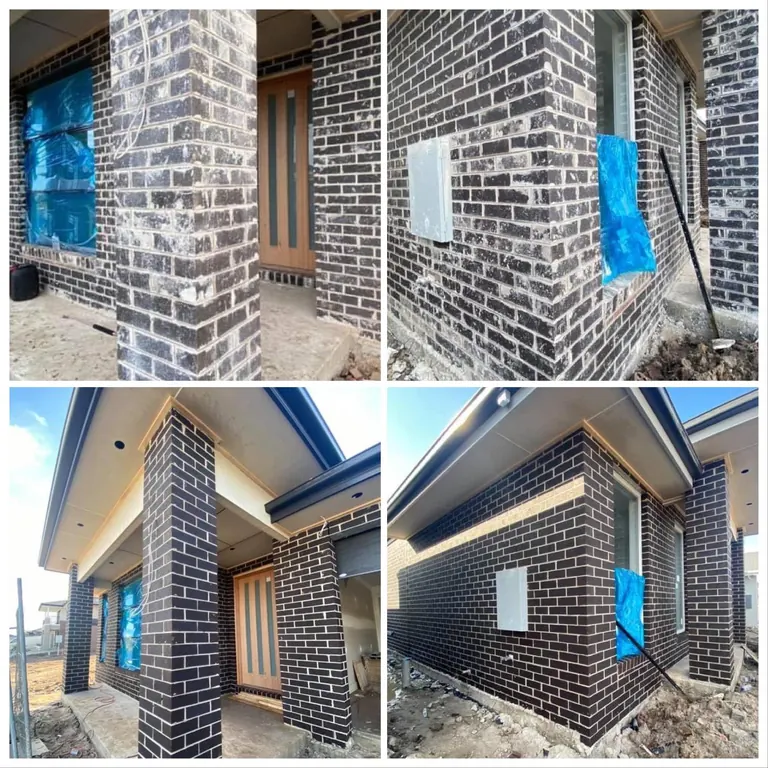
Builder Final Clean: What's Included and Why It's Not a General Clean
The full scope of a professional builder final clean for Melbourne new builds — brick washing, concrete paths, glass, frames and the documentation builders need for handover.
Read guide →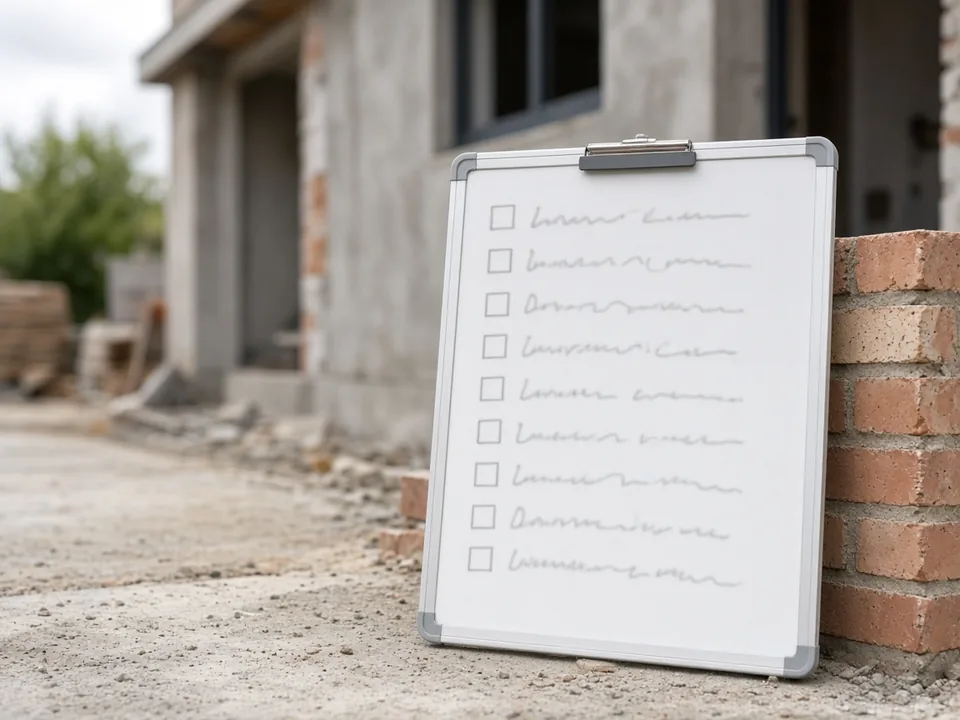
Builder Final Clean Checklist for Melbourne New Builds (In the Right Order)
A practical pre-handover cleaning checklist covering every exterior surface on a Melbourne residential new build — sequenced correctly to avoid rework.
Read guide →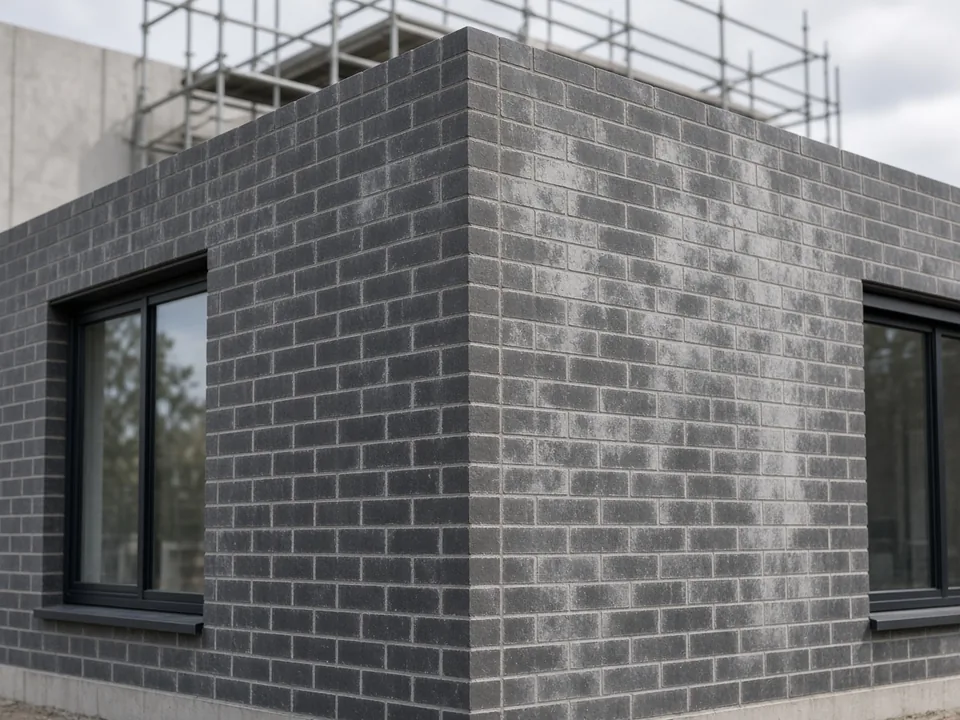
New Build Brick Haze: The 7–10 Day Window for an Optimal Clean
Why builders book a new-build brick clean 7–10 days after laying for an optimal clean — and what happens if you wait longer.
Read guide →