This Brick Cleaning article is written for Melbourne owners and managers who need more than a quick blast. Brick Cleaning jobs in our city require a surface diagnosis before any cleaning starts.
In Melbourne, everything from growth corridor new-build mortar smear to inner-suburb heritage brick has its own cleaning risk profile. The right method, chemistry and pressure keep the surface safe and the result lasting.
Why cream brick deserves a formal test
Cream and buff clay bricks popular in Melbourne's west and south-east can react with hydrochloric acid and show iron staining. A test panel turns that risk into a controlled experiment instead of a full-facade surprise after handover photos.
Choose a discreet but honest location
Pick a 30×30 cm patch on the same brick batch as the worst wall — often a side return or behind a future meter box. Avoid uniquely sheltered spots that never see weather if the main elevation is fully exposed; the panel must represent the job.
Match the intended full-job method
Pre-wet, apply the proposed dilution, use the same dwell and agitation you plan for the elevation, then rinse thoroughly. A gentler "safe" test that you will not repeat at scale teaches nothing. Note mix ratio and time in writing.
Read the panel after it dries
Wet brick looks darker and can hide yellowing. Check the next day in daylight. Look for rust streaks, blotchy lightening, etched texture or uneven smear removal. Melbourne's variable cloud cover makes a second look useful if the first morning is dull.
Decide: proceed, dilute further, or switch systems
Clean smear with even colour means you can proceed with the recorded method. Partial smear with no burn may need longer dwell or a second mild pass. Any yellowing or burn means organic-acid or soft-wash routes — not "a bit stronger next time".
Document for builders and owners
Photo before, wet, and dry-after. Share with the site supervisor on new builds. That file protects everyone if a later trade or weather event is blamed on the clean. Skipping documentation is how disputes grow in growth-corridor projects.
On the job
- Always test unfamiliar cream brick before full-elevation acid.
- Judge the panel dry after about 24 hours, not while it is still wet.
- Photograph the panel for the job file and client record.
- Yellowing or etching means change chemistry — do not scale the same mix.
Common questions
How long before we judge a test panel?
Wait until the panel is fully dry — typically the next day in fair Melbourne weather — because wet brick hides yellowing and uneven haze.
Where should the test panel sit?
On the same brick batch as the main walls, in a discreet spot that still sees similar weather exposure to the facade being cleaned.
More guides
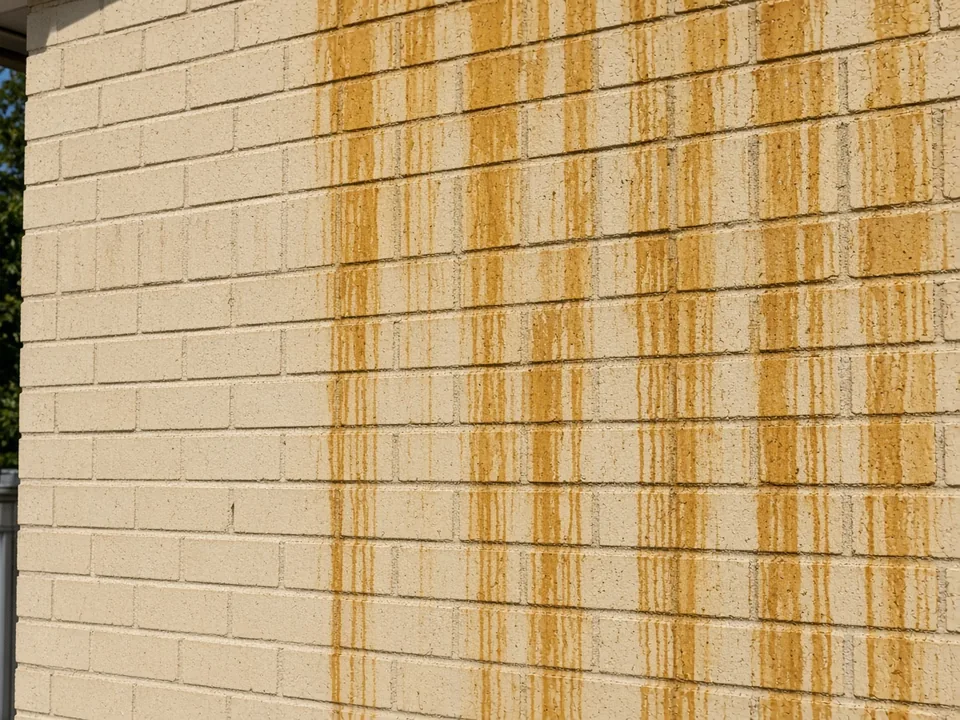
Why Hydrochloric Acid Wash Is Not Always Right for Cream Brick
Cream and lighter clay bricks can yellow, burn or tannin-stain when acid wash is used wrong. Here is when to skip acid entirely.
Read guide →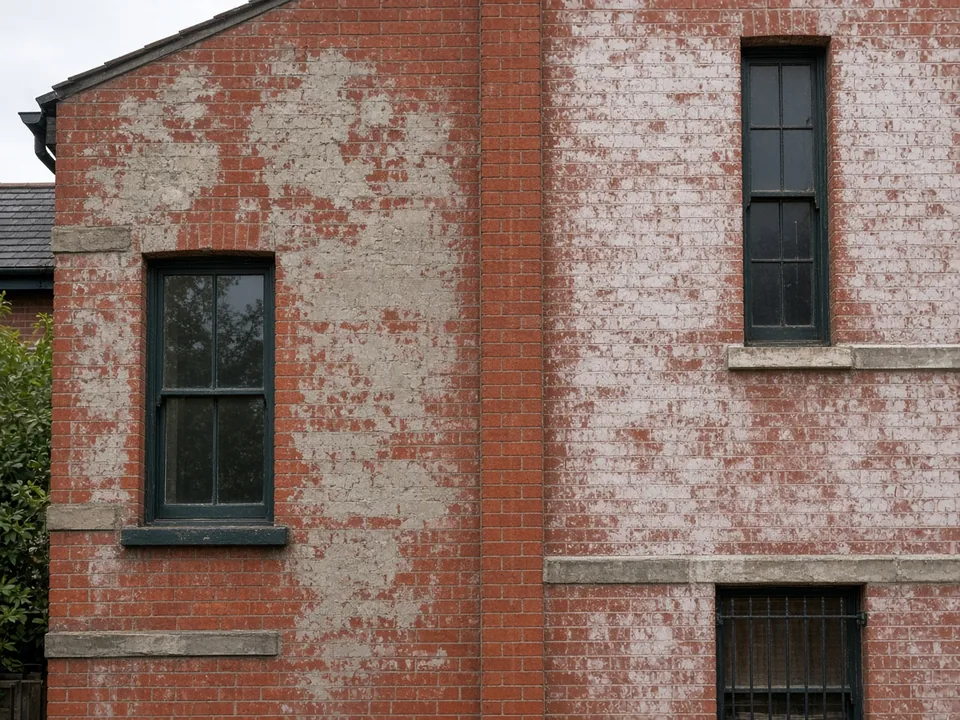
Mortar Smear vs Efflorescence: How to Tell Them Apart on Melbourne Brick
Both look like white haze on brick, but the chemistry, cause and removal method are completely different. Here is how Melbourne owners can tell them apart.
Read guide →
Hydrochloric vs Organic Acid for Brick Cleaning in Melbourne
When classic hydrochloric brick wash is appropriate and when organic acid systems are the safer Melbourne choice.
Read guide →