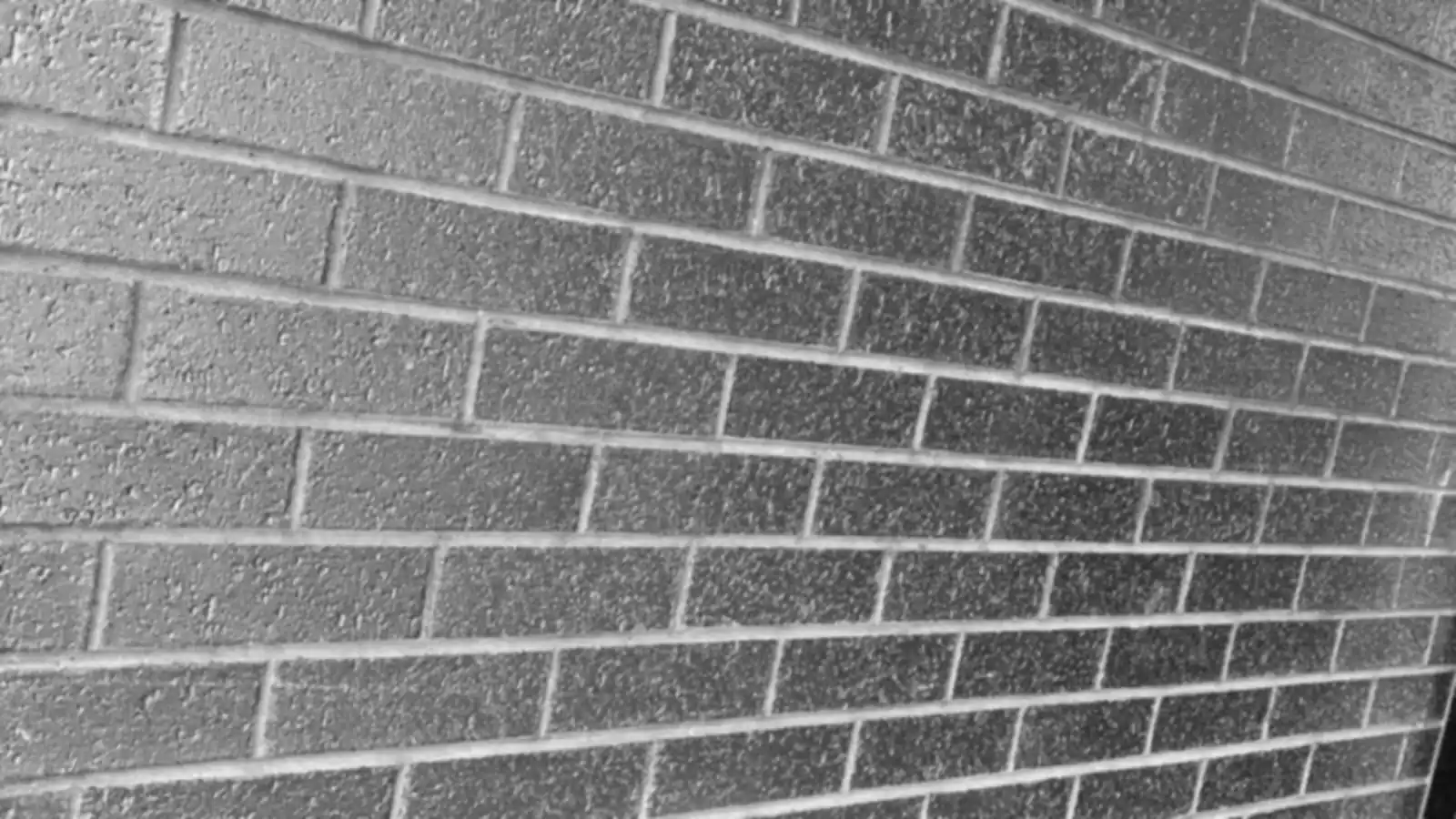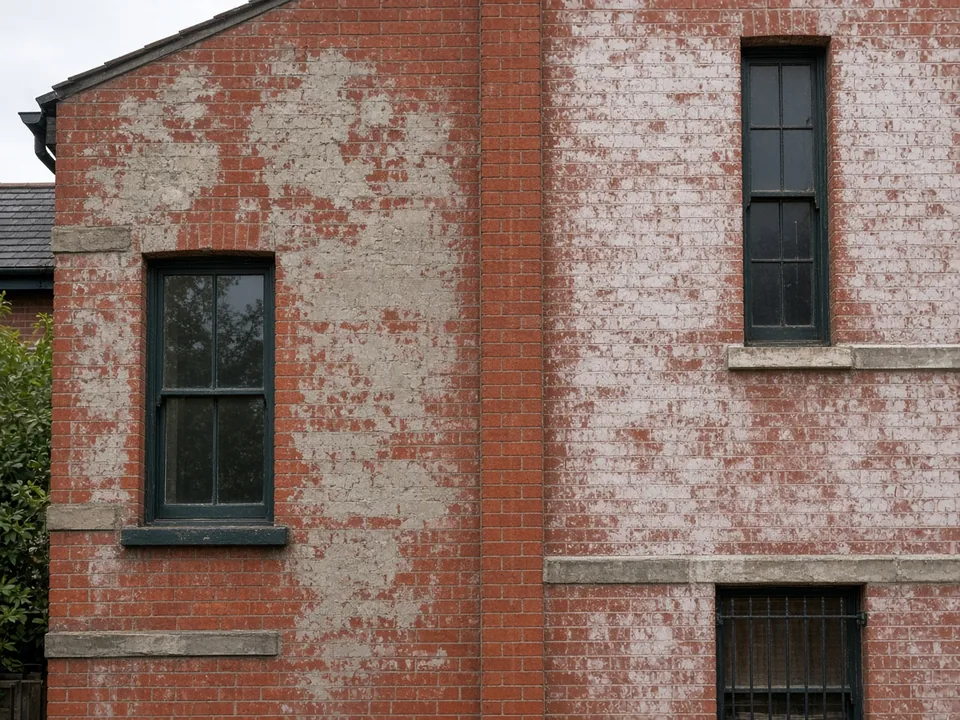
This Brick Cleaning article is written for Melbourne owners and managers who need more than a quick blast. Brick Cleaning jobs in our city require a surface diagnosis before any cleaning starts.
In Melbourne, everything from growth corridor new-build mortar smear to inner-suburb heritage brick has its own cleaning risk profile. The right method, chemistry and pressure keep the surface safe and the result lasting.
Mortar smear is a building defect
Mortar smear is residue left by the bricklayer — sand, cement and lime smeared across the face during construction. It is dense, often patchy, and resists water alone. Acid wash with the right dilution lifts it; water blasting alone usually does not.
Efflorescence is salt migrating out
Efflorescence is soluble salt drawn out of mortar joints by moisture. It often appears in patches after wet weather and can return seasonally. Brushing and a controlled neutralising rinse work better than aggressive acid for fresh blooms.
How to tell them apart on site
Dry mortar smear usually feels hard and bonded; it may look like a cloudy film over whole elevations. Fresh efflorescence is often powdery and can brush off when dry. Wet the wall lightly: smear tends to stay put, while light salt bloom can temporarily disappear then return as it dries.
Wrong diagnosis = wrong chemistry
Use acid on efflorescence too early and you fix the surface but lock more salt in the wall. Use water alone on mortar smear and you waste a day. Always test a discreet patch and photograph it before full elevation work.
What Melbourne new builds usually need
Growth-corridor handovers are mostly mortar smear and construction dust. Heritage and bayside walls more often mix organic growth with salt. That is why we ask for suburb, brick colour and close-up photos before locking a method or a price.
When cleaning is not enough
If salt keeps returning, look for damp sources: failed damp course, bridging, leaking downpipes or soil against the wall. Cleaning treats the face; moisture control stops the cycle. We will say so plainly if a clean alone will not hold.
On the job
- Mortar smear is construction residue; efflorescence is salt pushed out by moisture.
- Water blasting alone rarely lifts cement film on new brick.
- A test panel stops the wrong chemistry from becoming acid burn.
- Send wide elevation photos plus close-ups of the haze for a fixed-price quote.
Common questions
Can I tell mortar smear from efflorescence by touch?
Often yes. Mortar smear feels gritty and bonded to the face; fresh efflorescence is powdery and brushes off more easily when dry.
Will pressure washing alone fix mortar smear?
Usually not. Mortar smear needs the right chemistry and controlled agitation. Water alone mostly cleans dust, not cement film.
Does efflorescence come back after cleaning?
It can, if moisture is still moving through the wall. Cleaning lifts the salt on the face; fixing damp behind the wall stops the cycle.
More guides
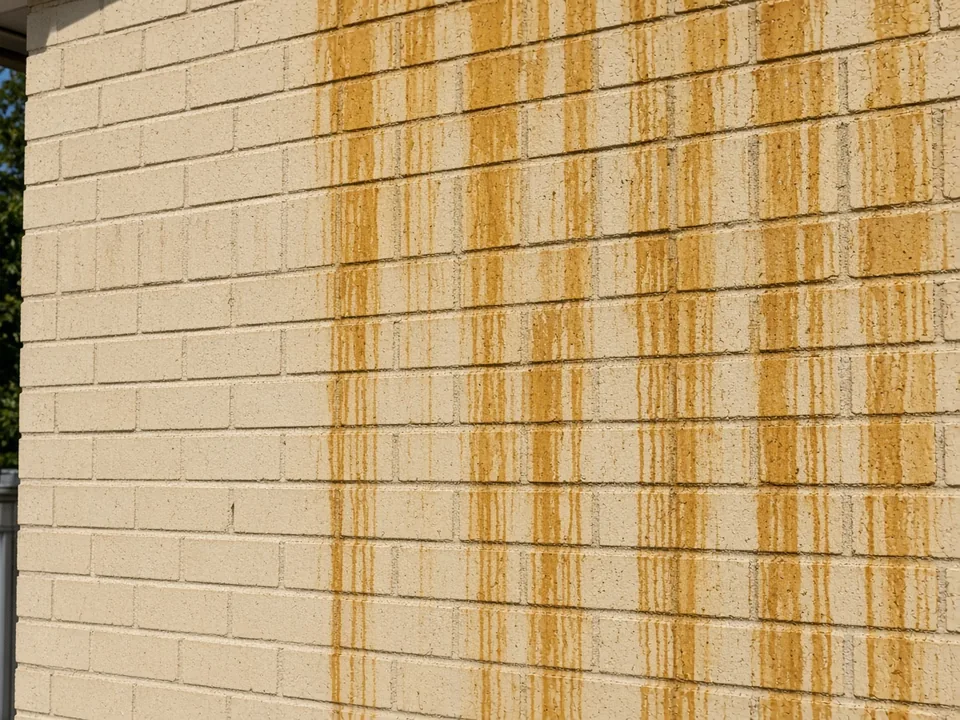
Why Hydrochloric Acid Wash Is Not Always Right for Cream Brick
Cream and lighter clay bricks can yellow, burn or tannin-stain when acid wash is used wrong. Here is when to skip acid entirely.
Read guide →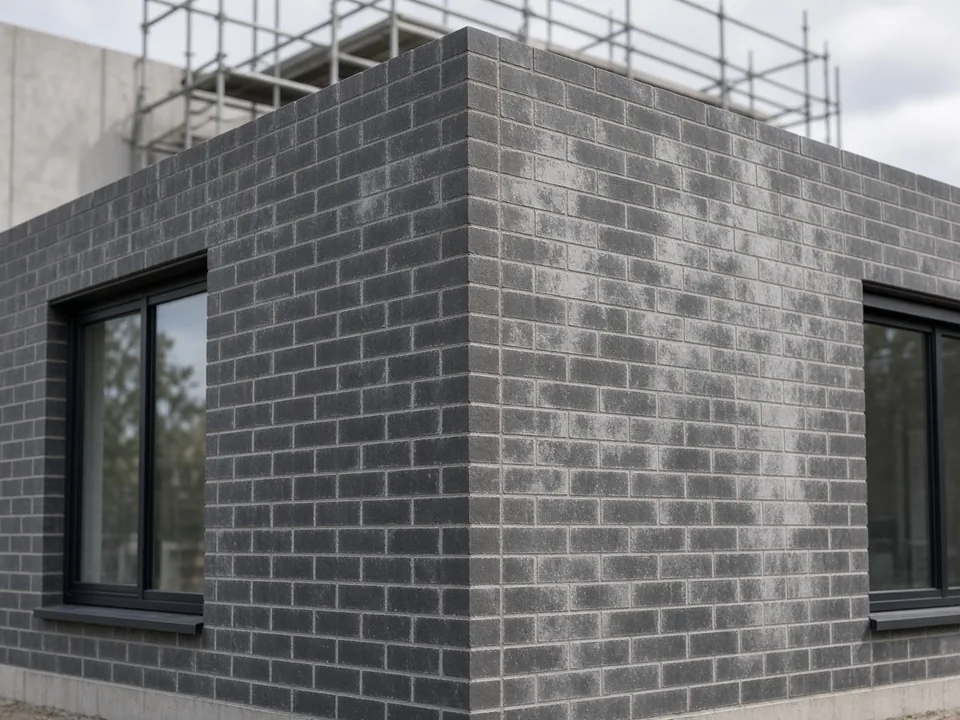
New Build Brick Haze: The 7–10 Day Window for an Optimal Clean
Why builders book a new-build brick clean 7–10 days after laying for an optimal clean — and what happens if you wait longer.
Read guide →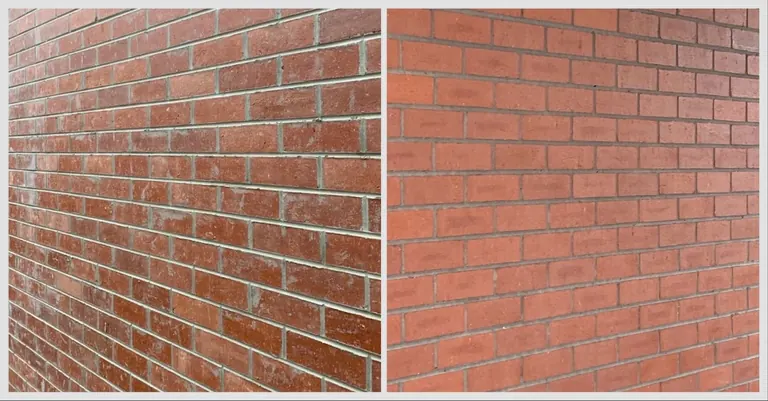
How Much Does Brick Cleaning Cost in Melbourne 2026?
Real Melbourne pricing benchmarks for brick acid wash, mortar smear removal and full restoration.
Read guide →