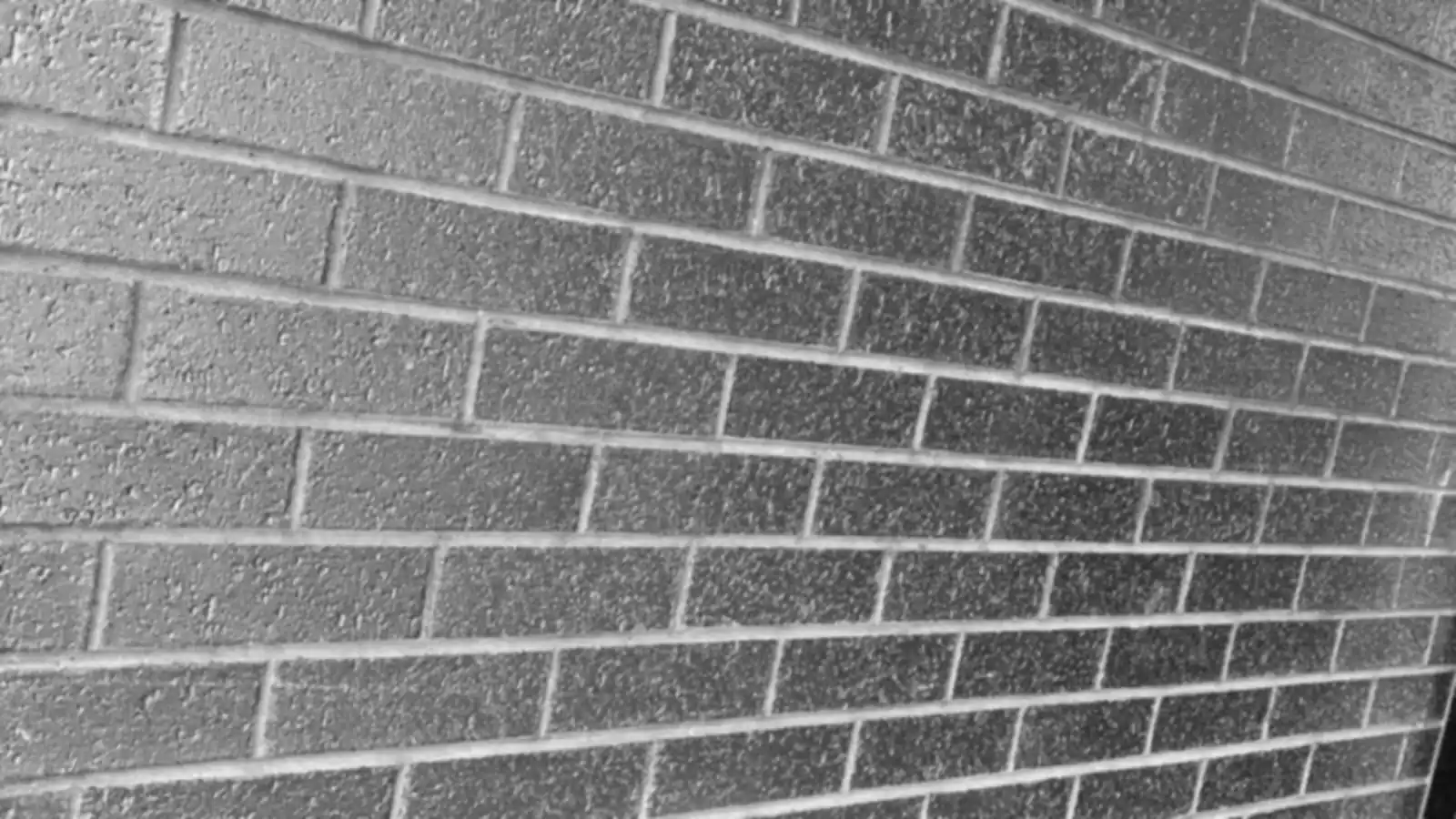
This Brick Cleaning article is written for Melbourne owners and managers who need more than a quick blast. Brick Acid Cleaning jobs in our city require a surface diagnosis before any cleaning starts.
In Melbourne, everything from growth corridor new-build mortar smear to inner-suburb heritage brick has its own cleaning risk profile. The right method, chemistry and pressure keep the surface safe and the result lasting.
What "neutralising" actually means on site
After hydrochloric or other acid has dissolved mortar smear, residual acidity can remain in pores and joints. An alkaline rinse raises pH so the reaction stops instead of slowly etching the face or leaving active residue under a pretty wet look.
Why skipping it shows up later
Walls that look fine at knock-off can develop patchy lightening, ongoing powdering or odd staining as residual acid keeps working. Melbourne sun and wind dry surfaces fast, which can hide incomplete rinsing until the next bright morning.
Sequence: acid work, then stop the reaction
Work in manageable elevations. Do not acid an entire double-storey home and hope to rinse everything before chemistry over-dwells. Complete smear removal on a zone, neutralise, rinse, then move on. Scaffold jobs make staged elevations easier to control.
Runoff is still a compliance issue
Neutralised rinse water can still carry dissolved solids and detergent. Keep it out of garden beds where possible and do not treat the street drain as a disposal point. EPA Victoria expectations apply to cleaning wastewater whether or not the bucket was alkaline at the end.
Sensitive bricks and restoration contexts
Cream brick, already-burned facades and heritage soft brick need especially careful pH control. Restoration after a botched DIY wash often starts with neutralising before any further chemistry. That order prevents stacking new reactions on active acid.
What to ask your cleaner
Which neutraliser, how they verify rinse completeness, and how they protect paths and plants below. A contractor who only talks about acid strength and never rinse discipline is describing half a method.
On the job
- Neutralising stops residual acid from continuing to react in the wall.
- Rinse water management still matters — neutralised is not the same as clean to stormwater.
- Cream brick and long dwell jobs especially need a disciplined rinse sequence.
- Ask what neutraliser is used and how rinse water is handled on your site.
Common questions
Is a plain water rinse enough after acid?
Water helps, but an alkaline neutralising step is used to stop residual acid reacting in the brick and joints after the smear is lifted.
Does neutralising make runoff safe for the gutter?
No. Neutralised cleaning water can still carry dissolved material and must be managed away from stormwater.
More guides
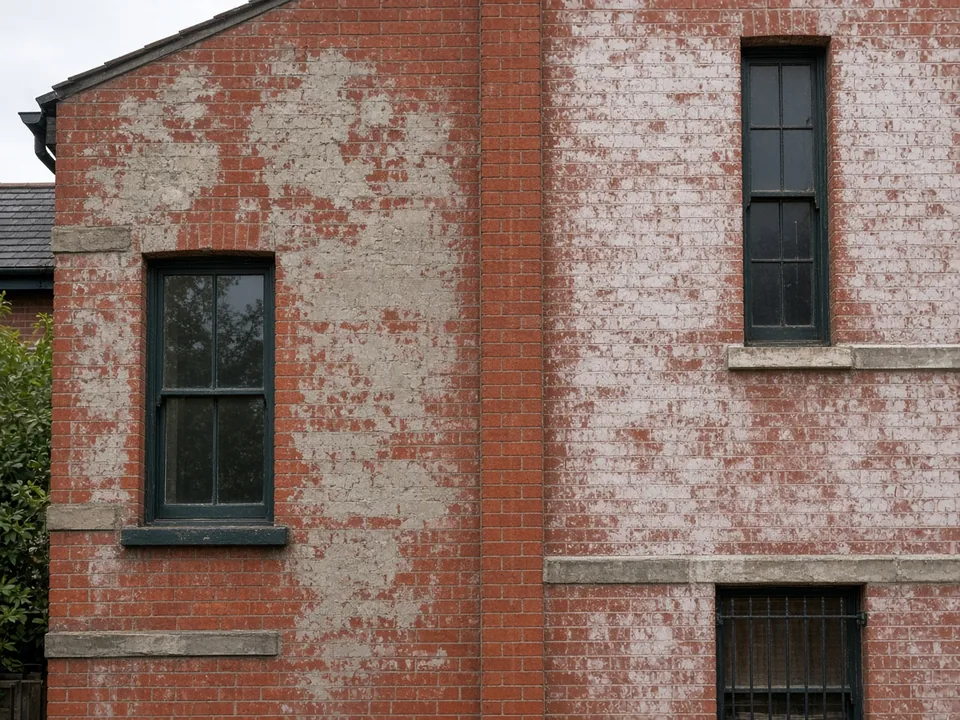
Mortar Smear vs Efflorescence: How to Tell Them Apart on Melbourne Brick
Both look like white haze on brick, but the chemistry, cause and removal method are completely different. Here is how Melbourne owners can tell them apart.
Read guide →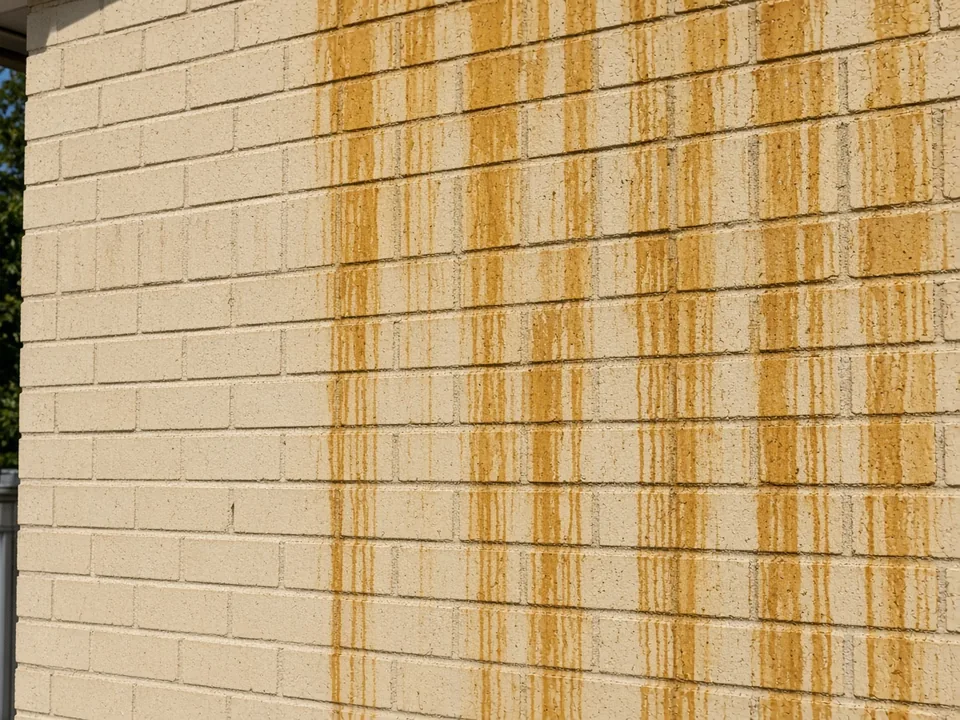
Why Hydrochloric Acid Wash Is Not Always Right for Cream Brick
Cream and lighter clay bricks can yellow, burn or tannin-stain when acid wash is used wrong. Here is when to skip acid entirely.
Read guide →
EPA Water Containment Rules for Melbourne Pressure Cleaners
A practical summary of the EPA Vic guidance and what compliance looks like on a real job.
Read guide →