This Driveway Cleaning article is written for Melbourne owners and managers who need more than a quick blast. Driveway Cleaning jobs in our city require a surface diagnosis before any cleaning starts.
In Melbourne, everything from growth corridor new-build mortar smear to inner-suburb heritage brick has its own cleaning risk profile. The right method, chemistry and pressure keep the surface safe and the result lasting.
What hot-tyre marks actually are
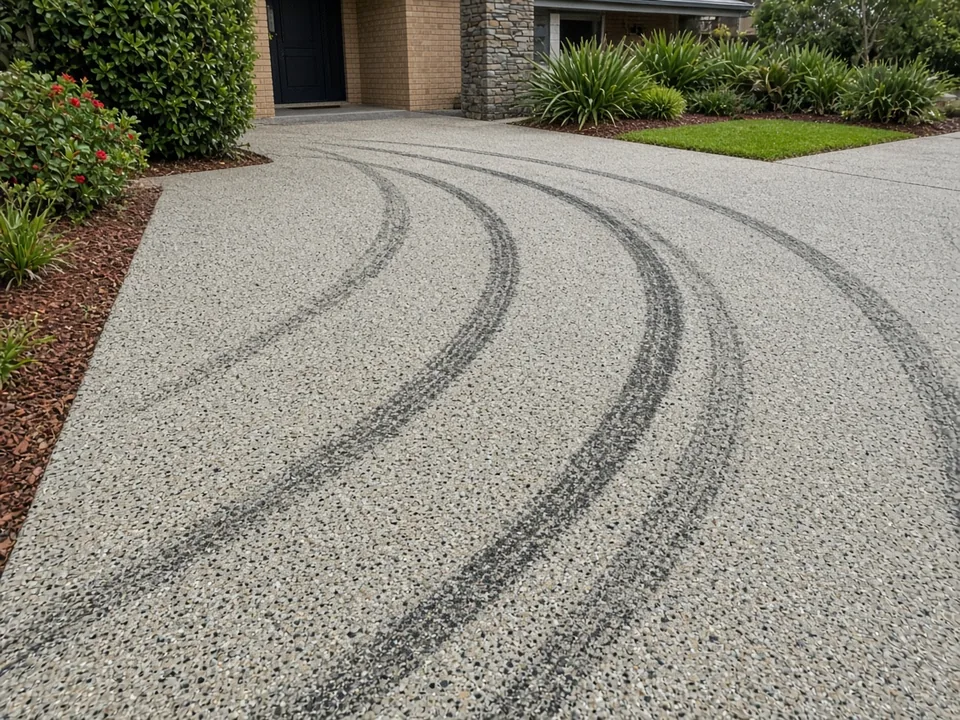
Dark arcs on Melbourne exposed-aggregate drives are usually transferred rubber and plasticisers from warm tyres, not oil alone. Turning circles on pale aggregate in suburbs like Glen Waverley, Rowville and Point Cook show them quickly. Water blasting without chemistry often polishes the stain deeper into the texture.
Identify the binder and sealer type
Acrylic film sealers behave differently to penetrating sealers. Film coats can cloud, whiten or peel if the wrong solvent sits too long. A discreet test patch on an inconspicuous tyre mark tells you whether the chemistry lifts rubber without attacking the binder that holds the stone.
Degreaser dwell before pressure
Apply a suitable degreaser, keep it wet for the dwell the product needs, agitate lightly in the texture, then rinse with a surface cleaner at controlled pressure. Pressure is the rinse step. Skipping dwell and "turning up the machine" is how operators etch the cream matrix between stones.
Edges, gutters and house walls
Detail wand work along garage doors, expansion joints and against rendered walls after the open slab is done. Protect paint and plants from degreaser overspray. On steep drives, contain runoff so oily water does not enter the street drain untreated.
Reseal when the finish looks tired
Cleaning often lifts chalked or failing sealer along with the marks. If the drive looks patchy or dry after it cures, a compatible reseal locks colour and slows the next set of tyre prints. Choose products rated for hot-tyre resistance and respect cure times before parking.
When marks will not fully disappear
Old, heat-baked rubber in deep texture may lighten without vanishing in one visit. Honest scopes say so. Multiple staged treatments beat one destructive blast. Send close-up photos in sun and shade so expectations match the slab you actually have.
On the job
- Hot-tyre marks are rubber residue — treat chemistry before max pressure.
- Identify whether the aggregate is film-sealed or penetrating-sealed first.
- Aggressive solvents or turbo tips can strip binder and ruin the finish.
- Plan resealing if cleaning pulls weathered sealer with the marks.
More guides
Oil Drip Removal: Poultice Methods That Actually Work
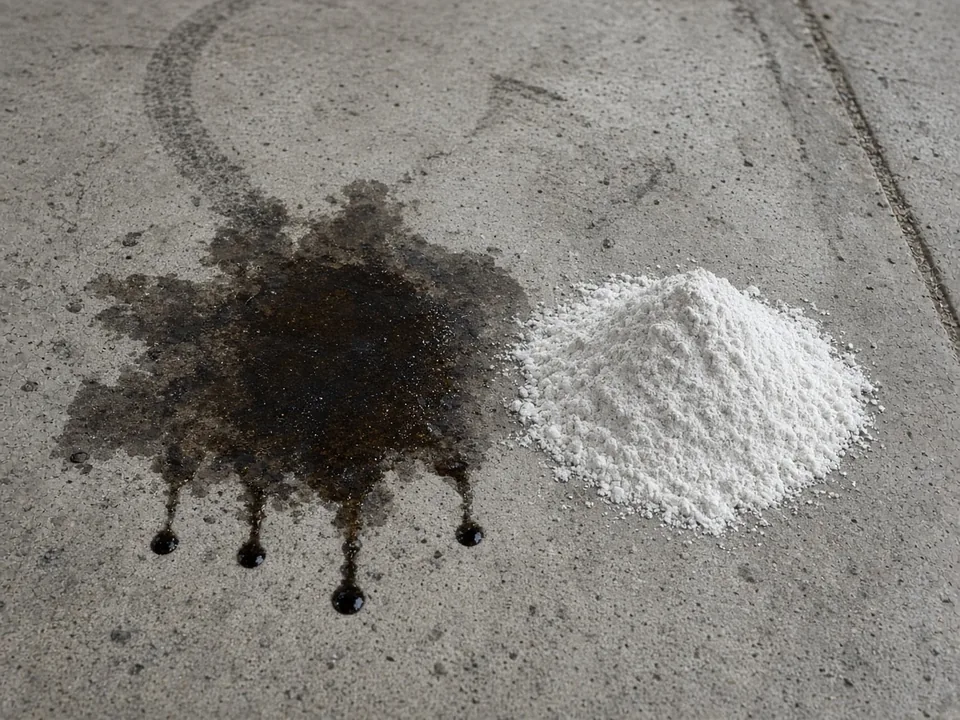
Why a clay poultice with solvent draws oil out of concrete pores rather than just cleaning the surface.
Read guide →
Surface Cleaner vs Wand: When Each Tool Wins
A flat-surface rotary cleaner saves hours on driveways but a wand is essential for edges, walls and detailed work.
Read guide →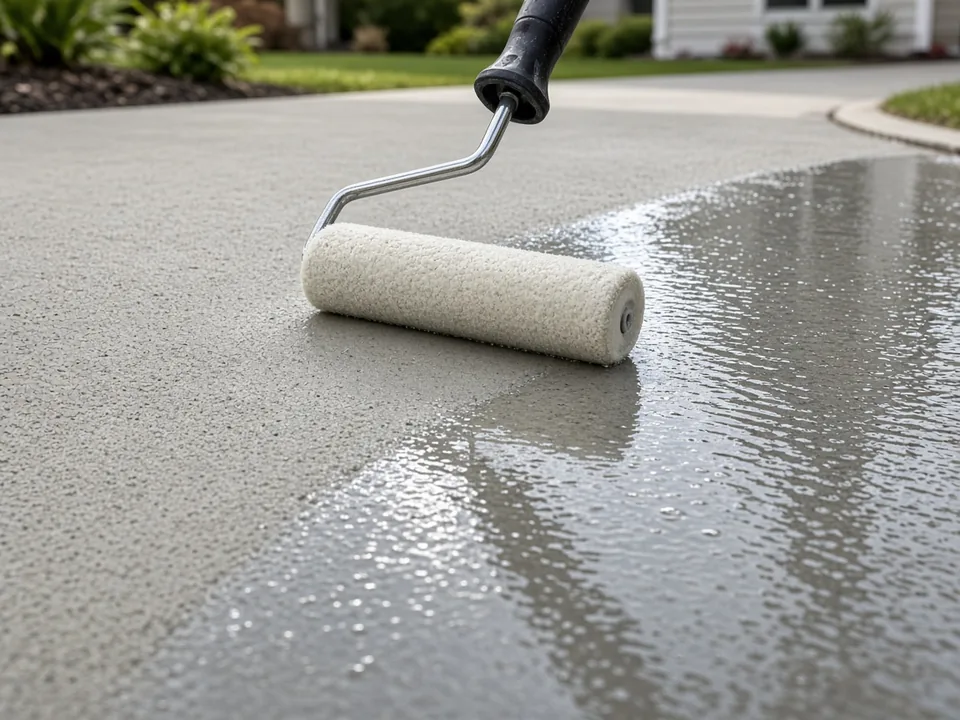
Sealing Your Driveway After Pressure Cleaning — Pros, Cons, Costs
Sealing protects against re-soiling and restores colour, but the wrong sealer creates a slip hazard and hot-tyre pickup.
Read guide →