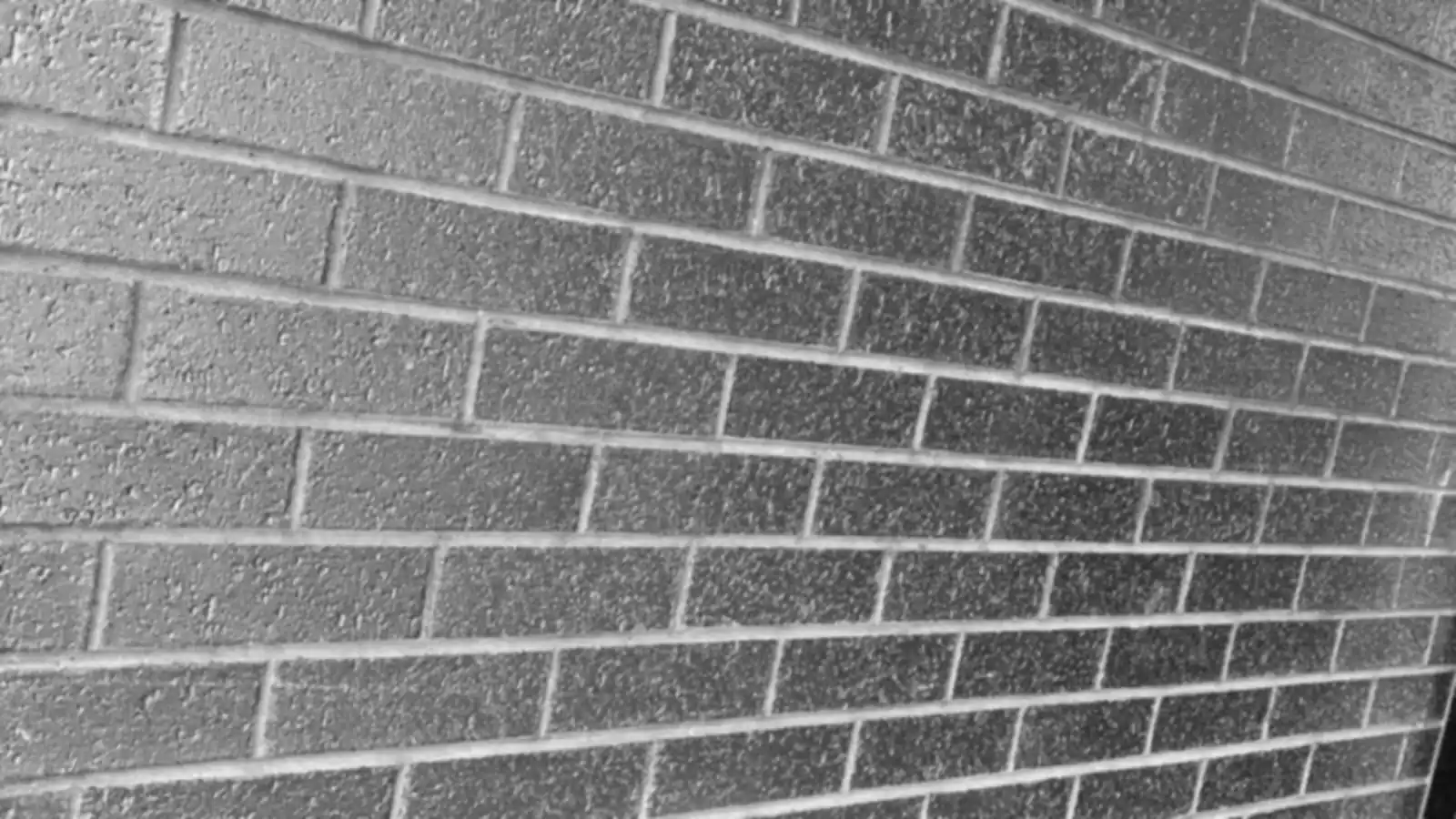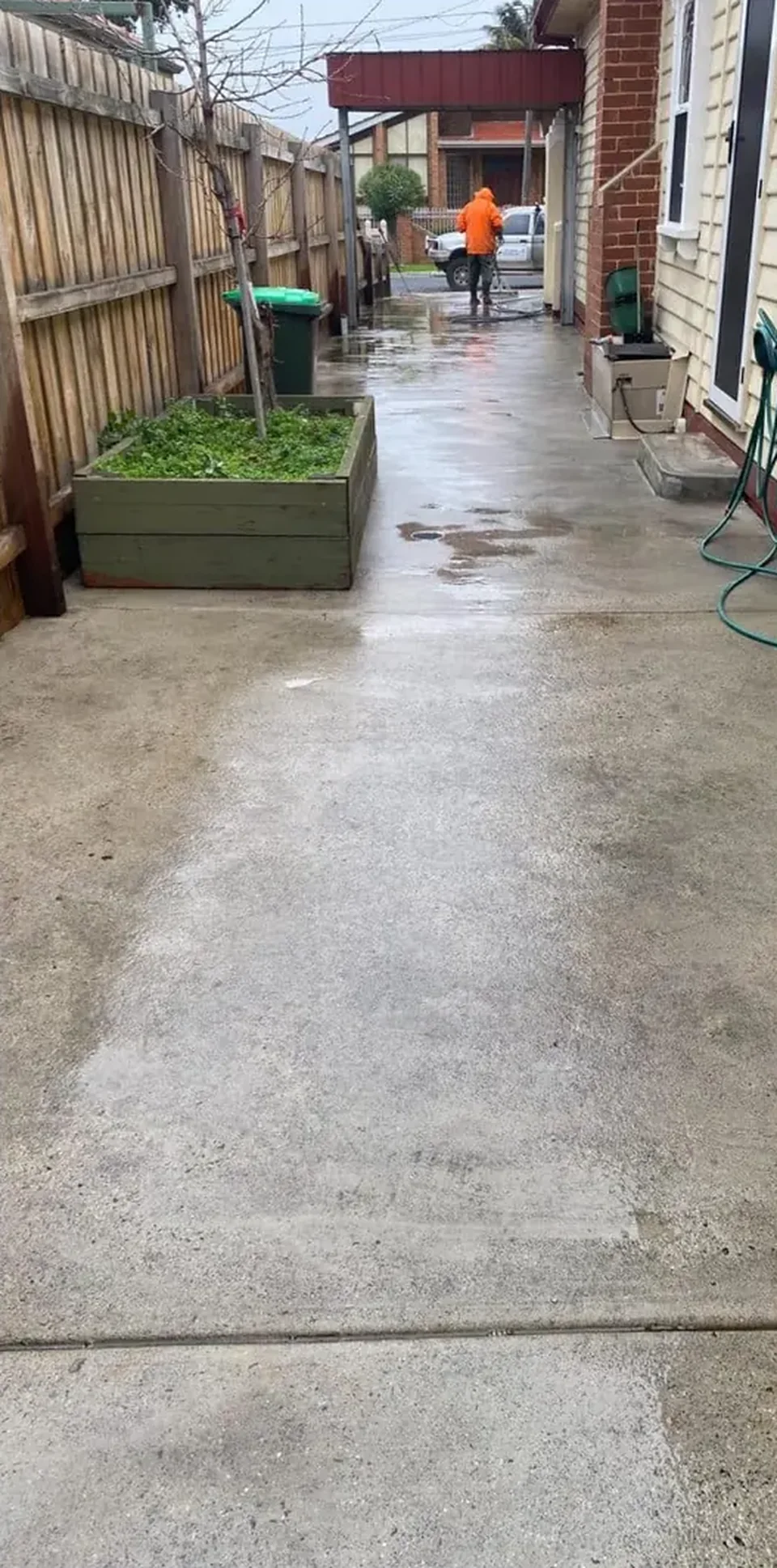
This Pressure Cleaning article is written for Melbourne owners and managers who need more than a quick blast. Pressure Cleaning jobs in our city require a surface diagnosis before any cleaning starts.
In Melbourne, everything from growth corridor new-build mortar smear to inner-suburb heritage brick has its own cleaning risk profile. The right method, chemistry and pressure keep the surface safe and the result lasting.
Flow rate matters as much as pressure
A 4000 PSI / 8 LPM machine cleans differently to 3000 PSI / 21 LPM. Volume sweeps debris; pressure penetrates. On Melbourne driveways we usually care more about even coverage and chemistry than a vanity PSI number.
Nozzle angle changes everything
A 0° turbo nozzle concentrates power. A 40° fan nozzle distributes it. Same machine, dramatically different results. Wrong tip choice is how people etch concrete, strip paint or chew soft brick faces.
Dwell time often beats brute force
A pre-treated surface with five minutes of dwell often cleans cleaner at lower PSI than a blast at full pressure. Oil, algae and tyre marks respond to detergent first; water finishes the job.
Surface cleaners vs wands
On flat concrete, a rotating surface-cleaner head keeps a consistent distance and leaves an even finish. Wand-only cleans are faster to set up and slower to look right — zebra stripes are the usual giveaway.
What to ask before you book
Ask what pressure range they will use on your surface, whether they pre-treat stains, and how they protect plants and stormwater. A contractor who only says “we run 4000 PSI” is selling the machine, not the method.
On the job
- Headline PSI is marketing; flow rate, nozzle and chemistry decide the result.
- Surface-cleaner heads leave even concrete; wands leave zebra stripes.
- Render and paint need soft wash — not max pressure.
- Ask what tip and method they will use on your surface, not just machine size.
More guides
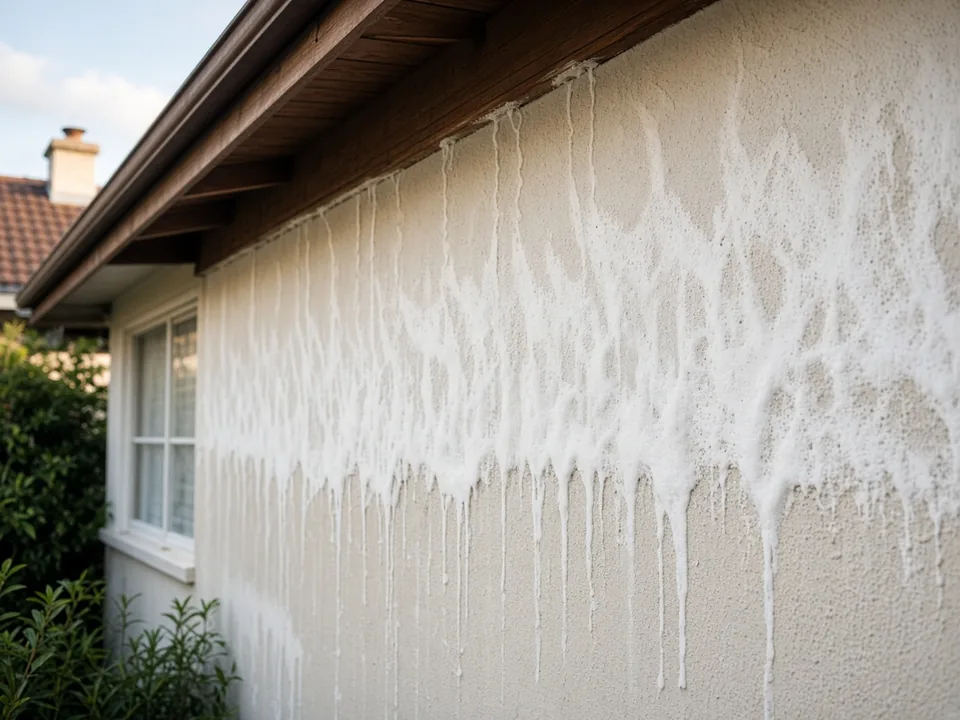
Soft Wash vs Pressure Wash for Render and Painted Exteriors
When to use a soft wash applicator with detergent dwell, and when high pressure is appropriate.
Read guide →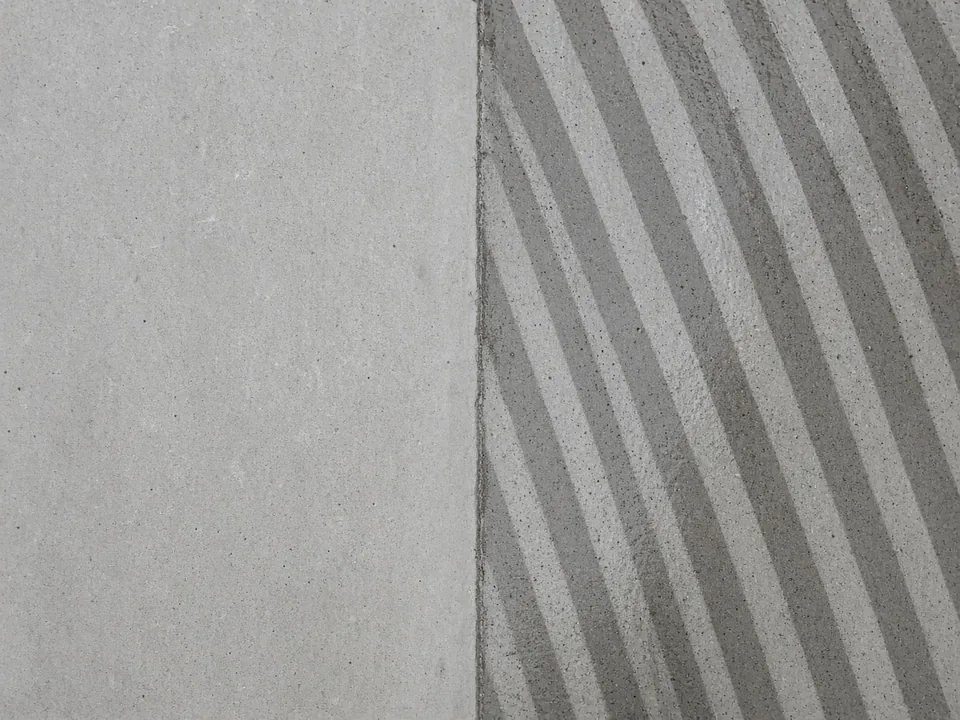
Surface Cleaner vs Wand: When Each Tool Wins
A flat-surface rotary cleaner saves hours on driveways but a wand is essential for edges, walls and detailed work.
Read guide →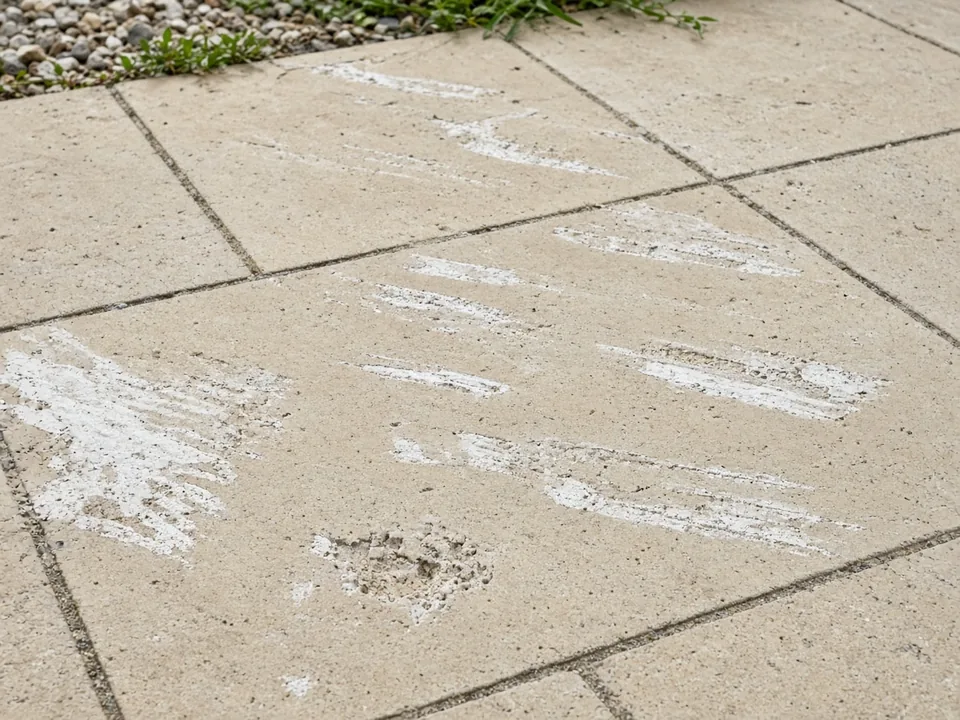
Why DIY Pressure Cleaners Damage Melbourne Sandstone Pavers
Hardware-store machines look harmless but a turbo nozzle can etch sandstone and exposed aggregate in seconds.
Read guide →