Essendon 3040 · North-West Melbourne
Concrete & Paver Cleaning in Essendon
Many properties have heritage brick, rendered façades and narrow access that require precise methods. Pavers and courtyards cleaned without stripping the joints.
- Written fixed-price quotes
- Quotes from your photos
- Pressure matched to the surface
or call 0405 477 173
- Quoted from photosSend photos, get a written fixed price
- Written fixed priceThe full price before we start
- Pressure set per surfaceSoft wash on render, surface cleaners on concrete
- Essendon 3040North-West Melbourne · City of Moonee Valley
Concrete & Paver Cleaning for Essendon properties
Essendon is an established suburb with older brick homes, fine driveways and garden-bordered paths needing gentle but effective cleaning.
We clean concrete and paver surfaces across Melbourne — patios, paths, pool surrounds, terraces and outdoor entertaining areas. Our approach protects grout, joint sand and surface texture while removing algae, moss, grease and general grime.
Pavers, concrete and tiles require different cleaning tools and techniques. The wrong method can wash out sand or damage the finish.
Pavers and concrete are common Melbourne surfaces, but they are far from the same substrate. We use surface cleaner heads on flat areas, low-pressure passes on jointed paving, and chemical pre-treatment on organic growth. The aim is a clean, safe surface without the patchiness and soft-sand loss that comes from a careless wash.
- Surface cleaner passes for even coverage
- Low-pressure joint-safe cleaning
- Pre-treatment for algae and moss
- Degreaser for oil and tyre film
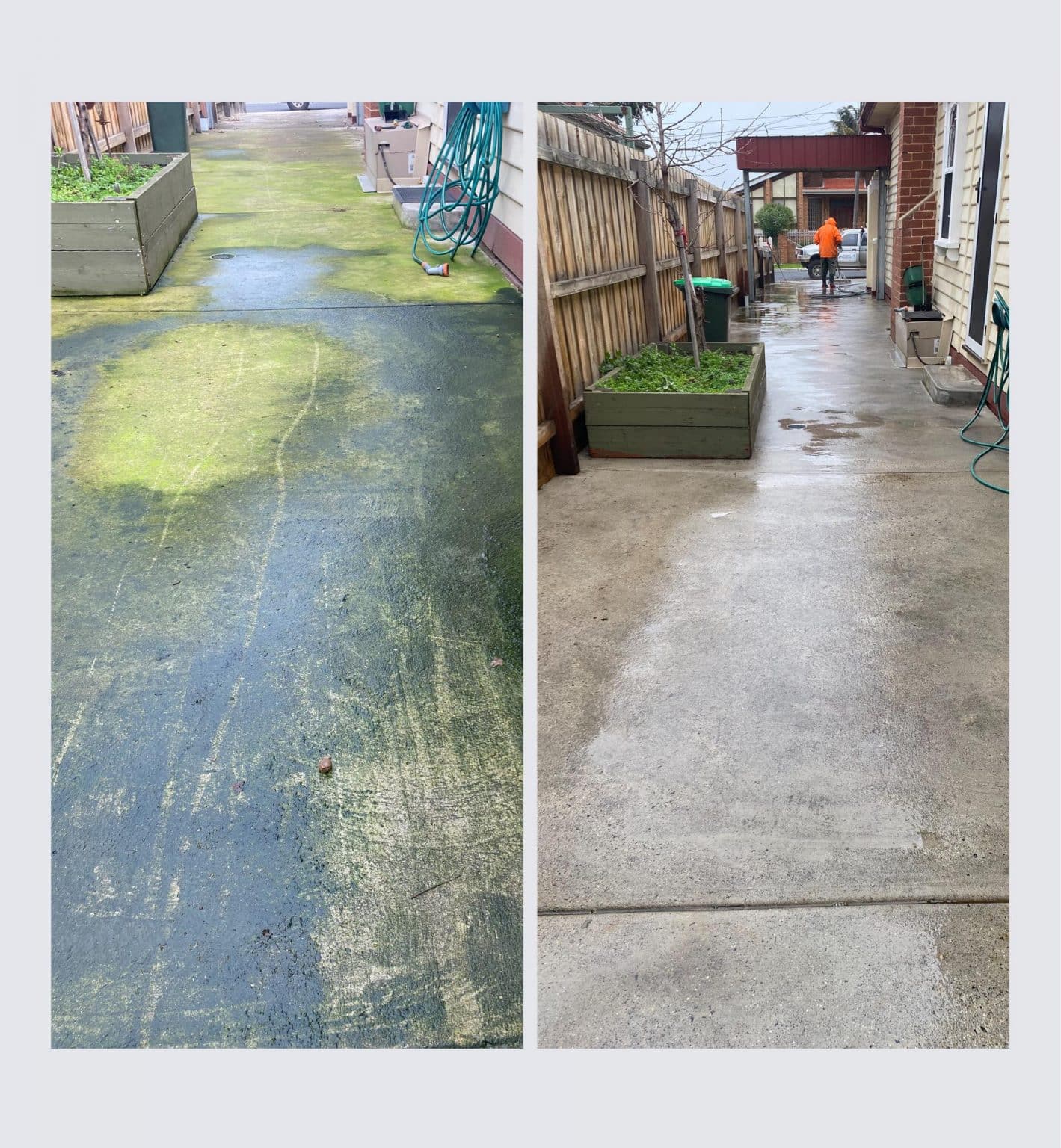
Melbourne concrete, paver and patio cleaning
Concrete and paver cleaning is about protecting joints and finish while restoring the surface. We tailor the approach to each material and stain type.
Patio and entertaining area cleaning
We clean tiled patios, pavers and pool surrounds with attention to grout, joints and safety. The goal is a bright, usable outdoor space with reduced slip risk.
Path and driveway paver cleaning
Paths, crossovers and driveways need careful joint protection. We use surface cleaners and low-pressure passes on paving to avoid washing out joint sand.
Concrete and exposed aggregate cleaning
We clean concrete and exposed aggregate with stronger passes only where the finish allows, and with degreaser on oily traffic film.
What We Do
- Patio and pool surround cleaning
- Block paver restoration
- Exposed aggregate care
- Algae and moss removal
- Tile and stone path cleaning
- Joint-safe paver cleaning
What We Won't Do
- A price without seeing the surface
- One method for every material
- Work outside Melbourne we have not confirmed
How We Do It
- 1
Surface identification
We confirm whether the area is concrete, exposed aggregate, pavers, tiles or stone, and choose the method accordingly.
- 2
Stain and growth treatment
Moss, algae and organic growth are treated before the wash. This reduces the need for aggressive pressure and improves consistency.
- 3
Controlled cleaning pass
Surface cleaners, low-pressure nozzles and manual hand-cleaning are used to protect joints and finishes.
- 4
Joint and edge detail
We hand-finish edges, corners and joints so the cleaned area looks uniform and tidy.
- 5
Final rinse and safe drying
The surface is rinsed thoroughly and left to drain safely away from landscaped areas and internal thresholds.
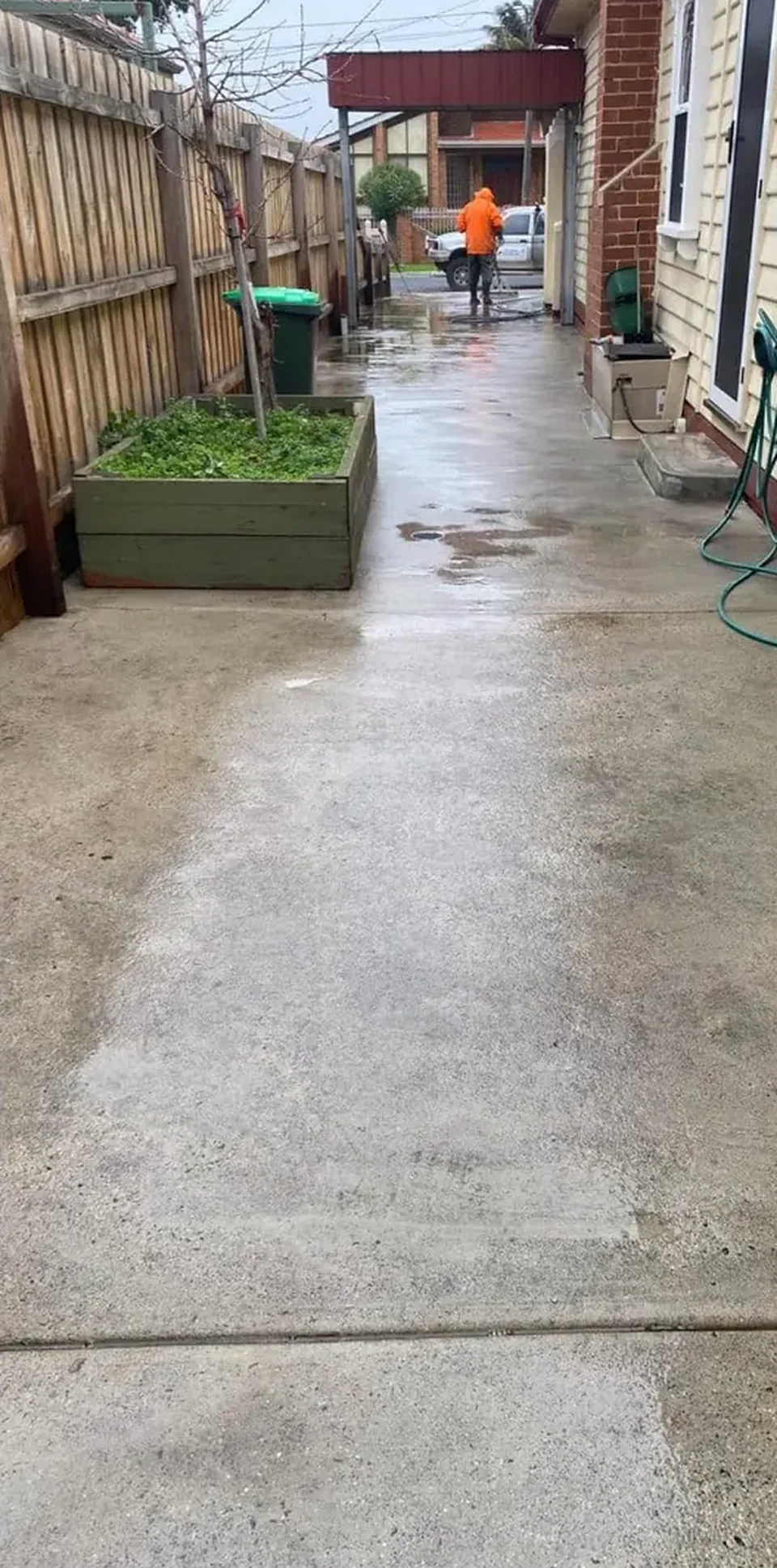
How Our Cleaning Transforms Surfaces
Drag to compare.
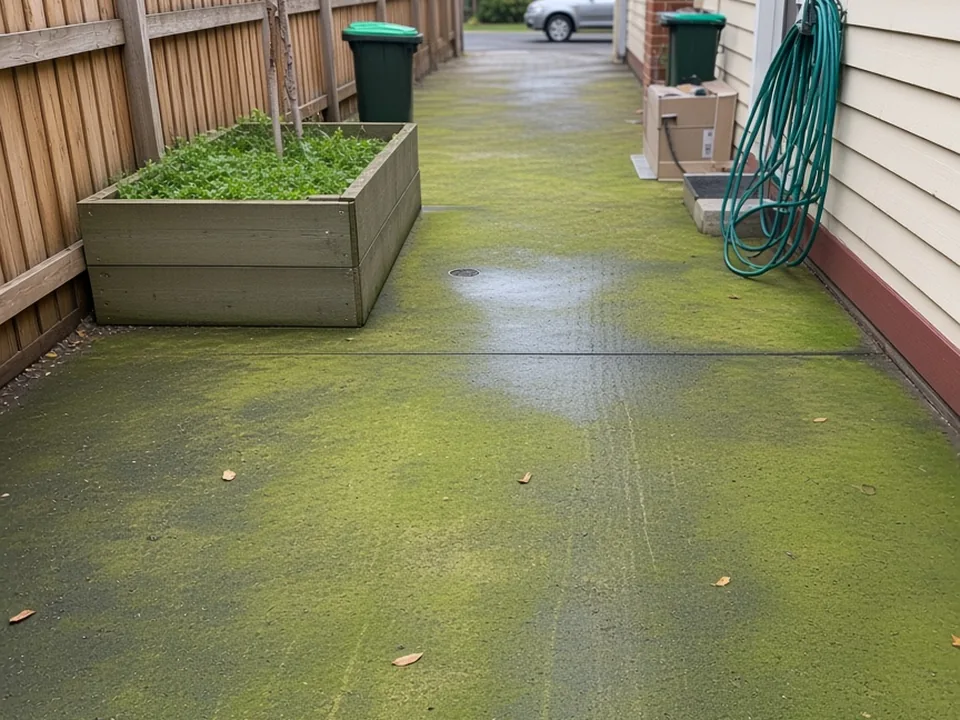
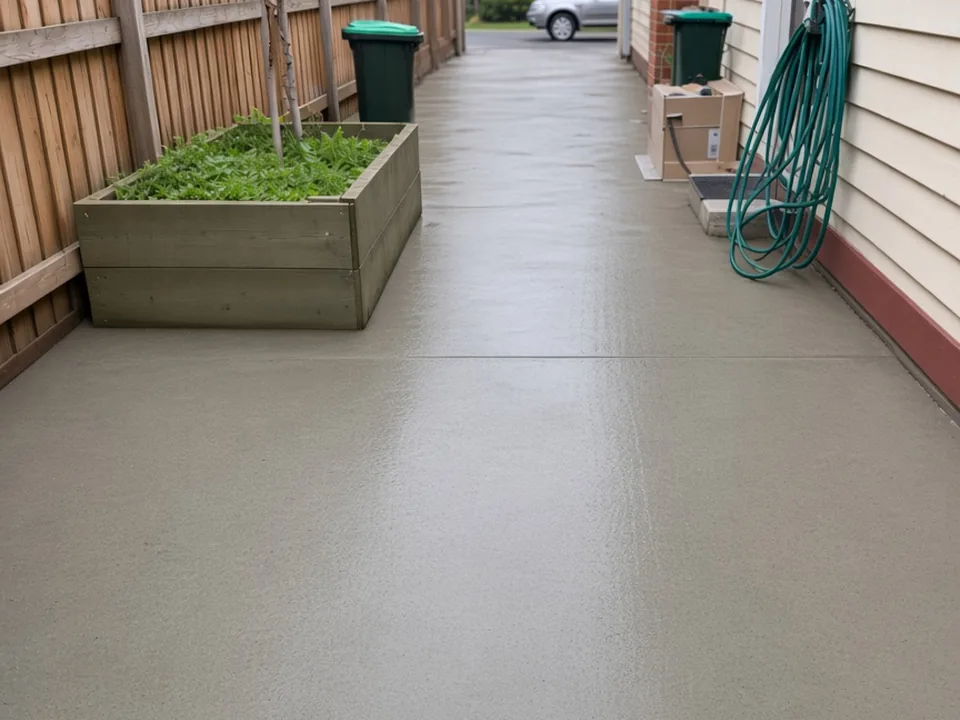 BeforeAfter
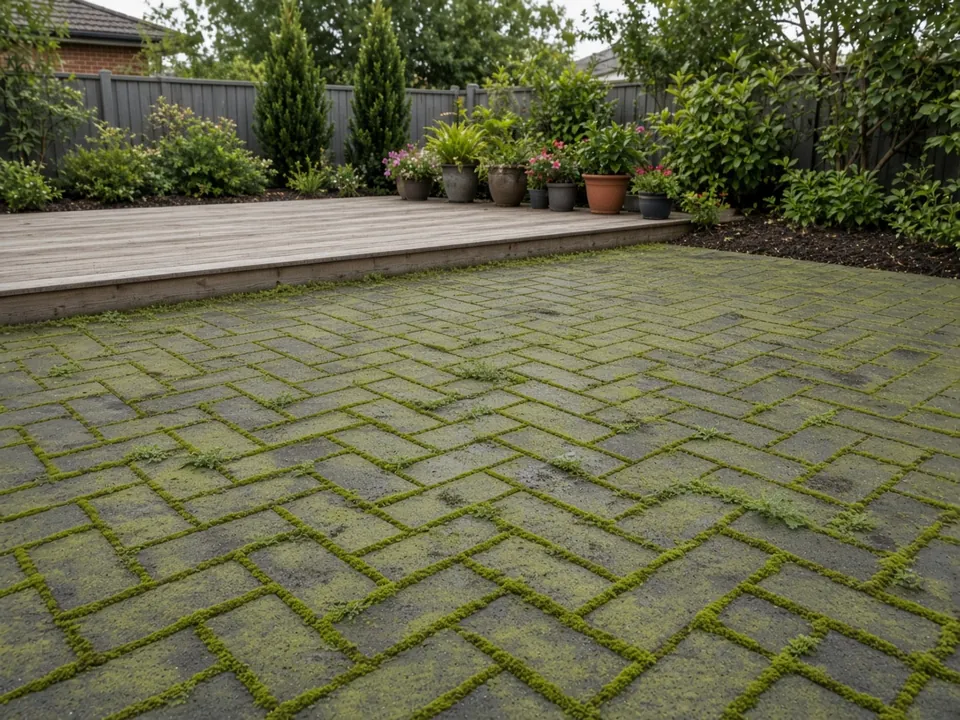
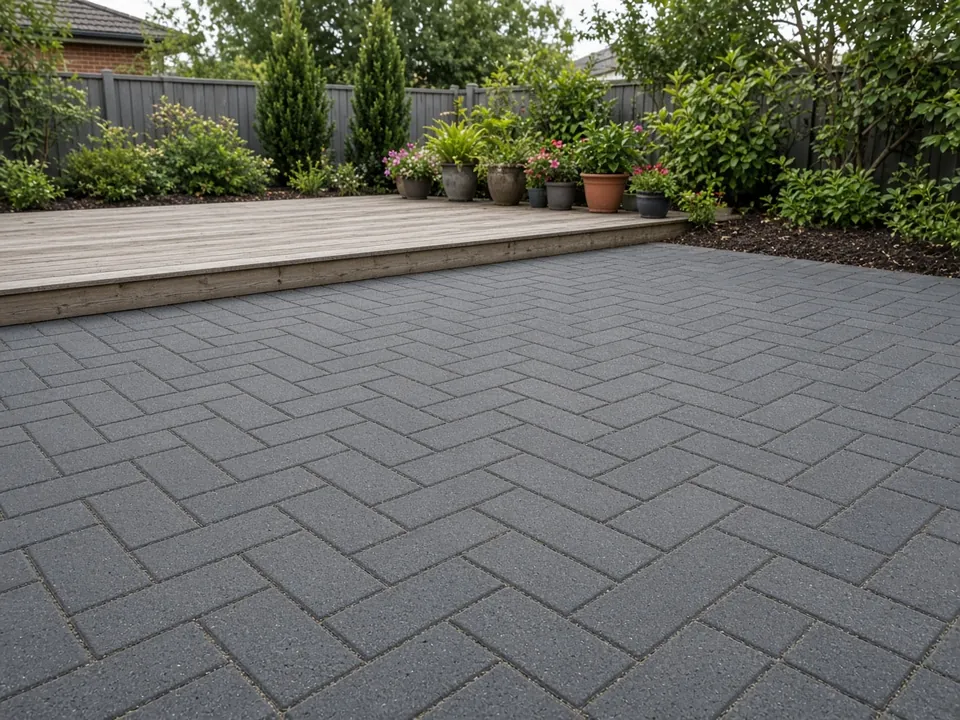 BeforeAfter
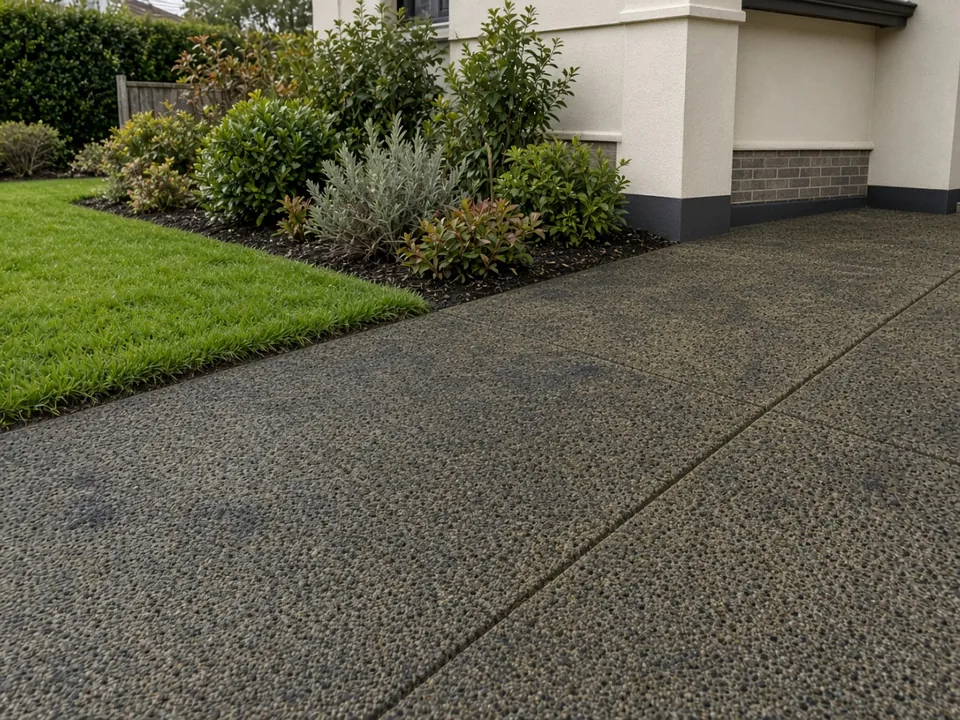
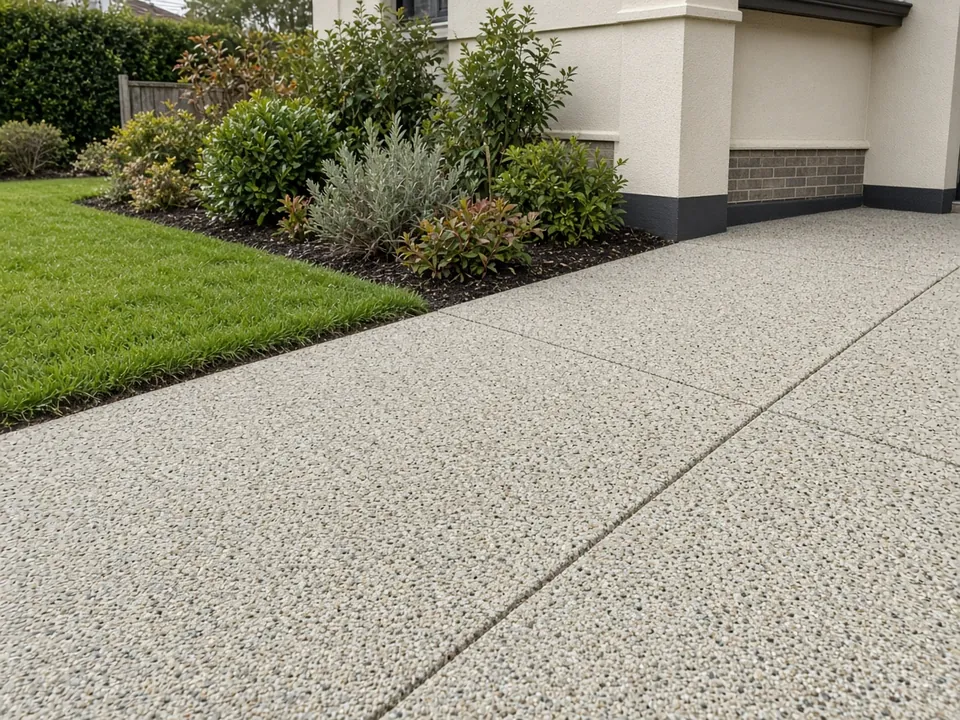 BeforeAfter
Surfaces We Work On
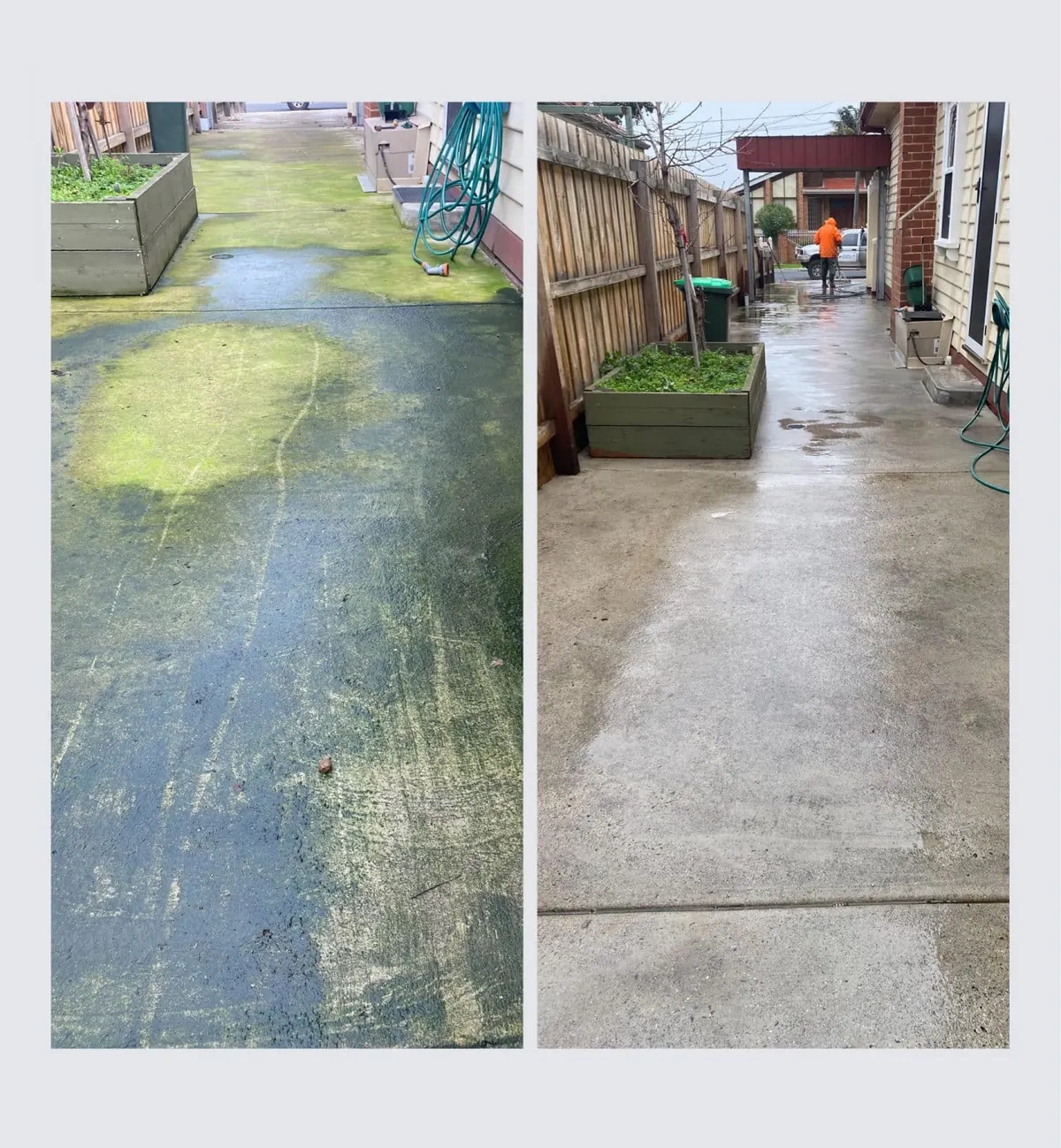 Concrete paths and slabs
How we clean it
Concrete paths and slabs
Stronger pressure where suitable, with good rinse control.
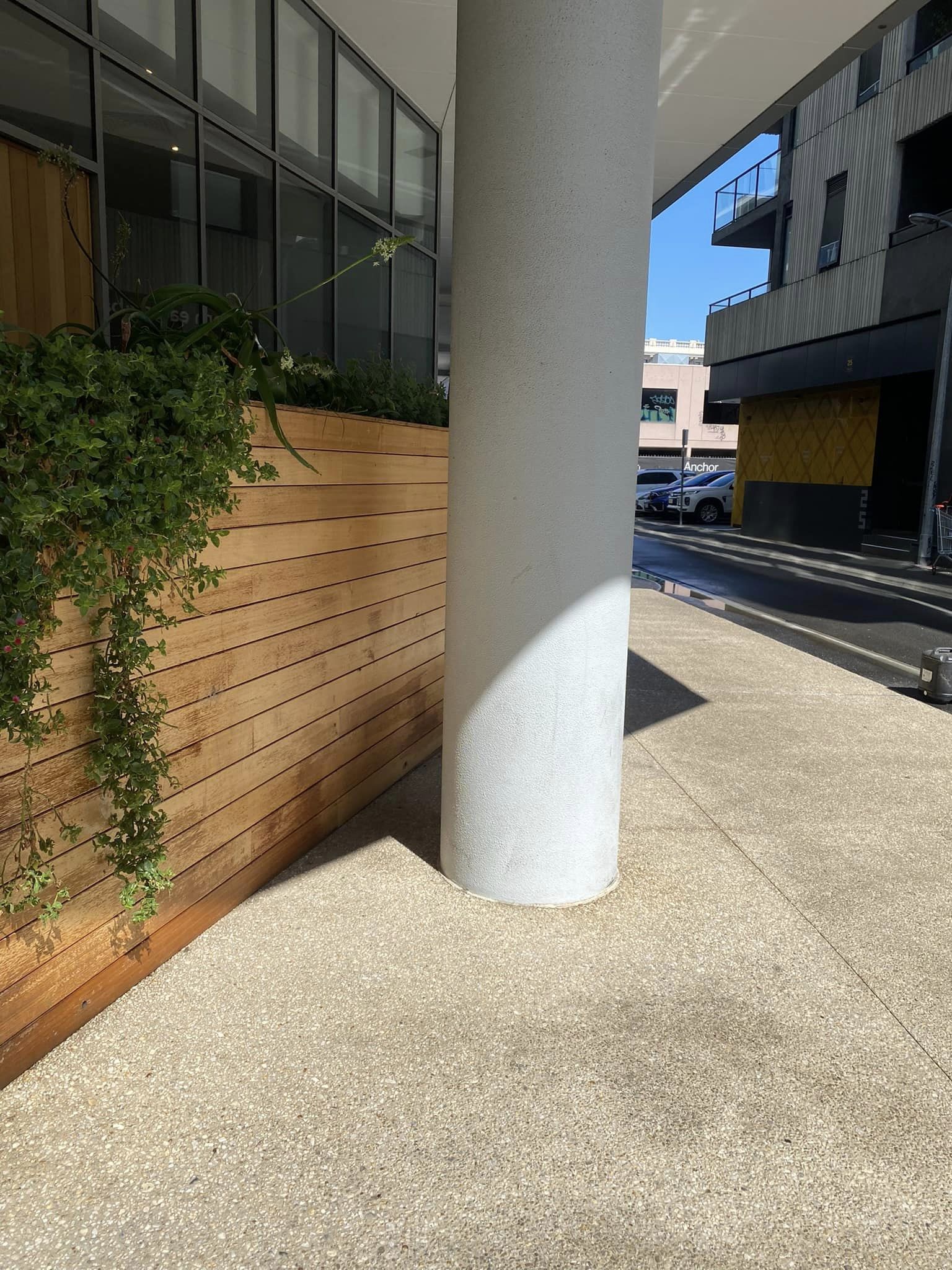 Exposed aggregate
How we clean it
Exposed aggregate
Surface cleaner and medium pressure to preserve finish.
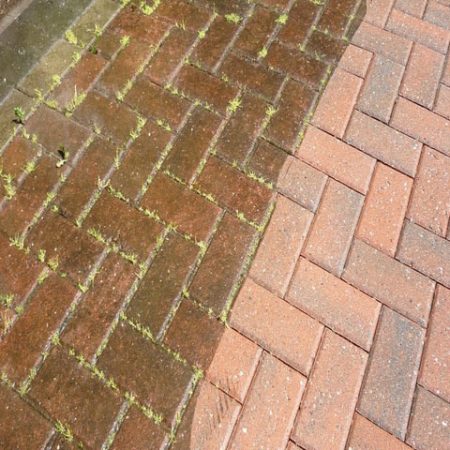 Block pavers and tiles
How we clean it
Block pavers and tiles
Joints and grout are protected during cleaning.
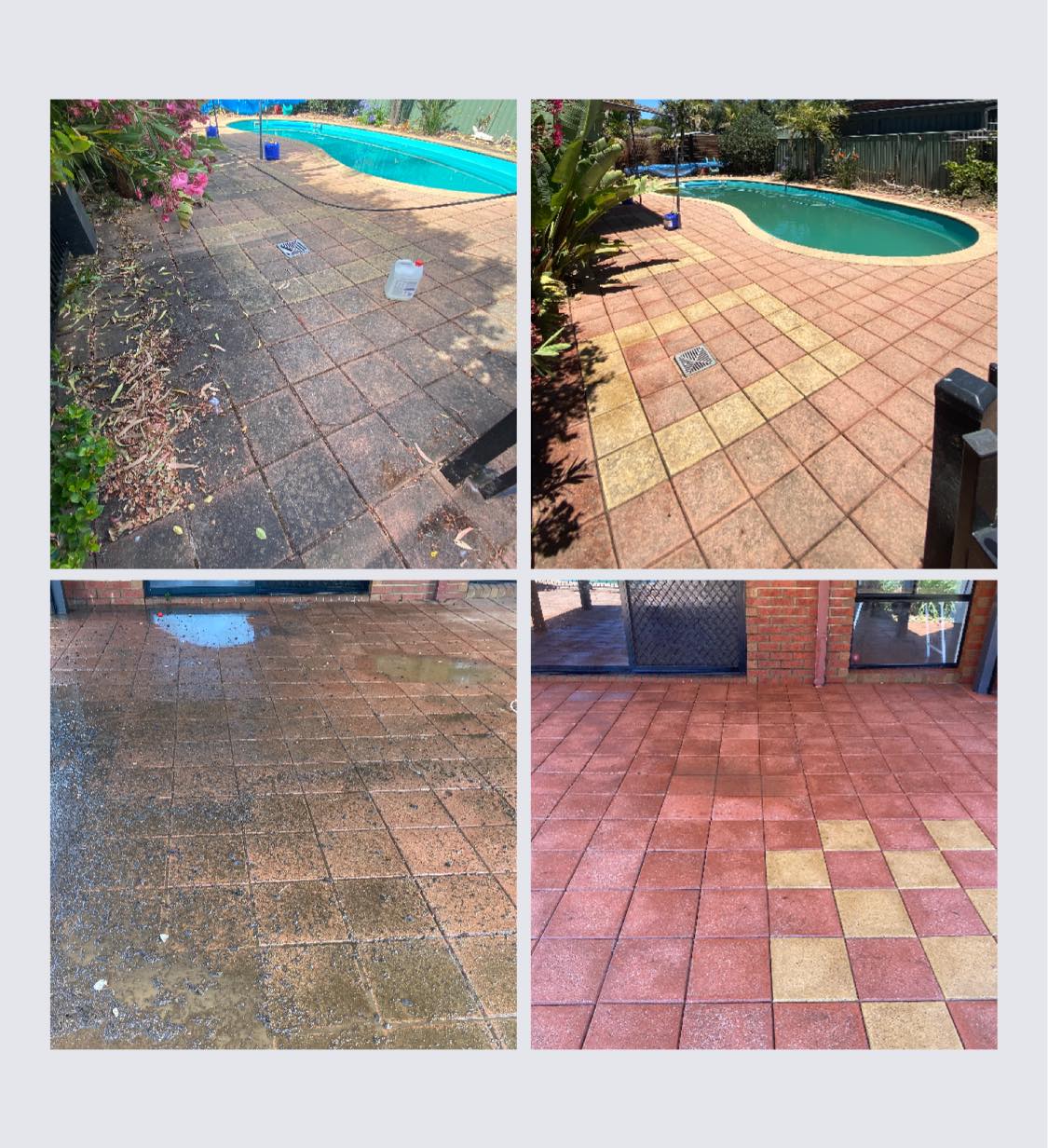 Pool surrounds and patios
How we clean it
Pool surrounds and patios
Non-slip cleaning and algae removal for safe entertaining areas.
Generic paving wash vs specialist concrete and paver cleaning
| Factor |  Quick job Quick job |
 Spotless Spotless |
|---|---|---|
| Joint protection | Quick job: Minimal |
Spotless: Low-pressure, joint-safe handling |
| Algae and moss removal | Quick job: Surface-level |
Spotless: Pre-treatment and follow-up rinse |
| Finish preservation | Quick job: Risk of damage and patchiness |
Spotless: Method matched to the surface texture |
| Sealer readiness | Quick job: Usually ignored |
Spotless: Clean and dry surface ready for sealing |
When To Book
- When moss and algae make outdoor areas slippery
- Before entertaining season or a backyard event
- After wet winter weather and leaf litter
- Before sealing or repainting outdoor surfaces
- When paving looks dull and patchy from weathering
Concrete and paver cleaning quote checklist
Tell us the surface type, area size, whether the paving is jointed, and any visible moss, algae or staining. Photos of the whole area and the worst patches help us scope the work accurately.
Send your photosWhat Melbourne Customers Say
Booked Spotless for an acid brick wash after a builder left mortar smear everywhere. They test-panelled first, then cleaned the whole facade — cream brick came up perfect with zero burn. Genuinely impressed.
Driveway and paths hadn't been touched in years. The team stripped years of grime and oil in a morning and left it spotless. Fair quote, on time, tidy. Would 100% use again.
Our rendered walls were covered in green mould. They soft-washed rather than blasting it and the render looks brand new without any damage. Really knew what they were doing.
Use these guys for final builder cleans on handover. Fast, thorough, and they understand not to wreck new surfaces. Photos before and after every time. Top tradies.
Heritage brick restoration on a 1920s home — I was nervous about acid burn but they matched the mortar and blended the brickwork beautifully. Careful, professional work.
Graffiti got tagged across our side wall twice. Spotless removed it cleanly both times without ghosting on the brick. Quick response and a really fair price.
Concrete & Paver Cleaning near Essendon
Other services in Essendon
Get Your Fixed Price Today
Send a few photos of the job in Essendon and we reply with a written fixed price.
Call us
0405 477 173Service area
Essendon and surrounding suburbs
Concrete & Paver Cleaning in Essendon: Questions
Do you do concrete & paver cleaning in Essendon?
Yes. We cover Essendon (3040) and nearby North-West Melbourne. Send a few photos and your address and we reply with a written fixed price.
How much does paver and concrete cleaning cost in Melbourne?
Paver and concrete cleaning is quoted as a written fixed price from your photos. The area, the surface type and how heavily it is stained all change the work. Send photos and the approximate area and we'll be in touch shortly.
Will pressure cleaning damage joint sand in my pavers?
Some loose surface sand can shift during cleaning, especially in older or recently laid pavers. We use a surface cleaner head rather than a direct lance to minimise sand displacement, and we work at lower pressure around jointed areas. If significant sand loss occurs we recommend re-sanding after the clean dries.
Can you remove moss and lichen from concrete?
Yes. Moss, lichen and algae on concrete and pavers are pre-treated with a specialist biocide before the pressure clean. This kills the root system and makes removal cleaner. A water-only blast will remove the green surface layer but leave the root system intact — the growth returns within weeks.
Is pressure cleaning safe for pool surrounds?
Yes, when the right pressure and method are used. Pool surrounds are typically non-slip tiles or textured concrete — we use a surface cleaner, keep chemicals away from the pool water, and manage runoff so cleaning products do not enter the pool or surrounding garden.
My pavers have black spots that do not come off. What are they?
Black spots on pavers are almost always lichen — a composite organism that bonds to the paver face and resists simple water blasting. Lichen needs a specific biocide treatment to break the bond before cleaning. Standard pressure without chemistry will not fully remove lichen staining, which is why DIY attempts often leave residual marks.
Do you clean tiled courtyards and outdoor kitchens?
Yes. Tiled outdoor areas need low-pressure cleaning with grout-safe chemistry. We avoid aggressive pressure on unsealed tile grout and protect outdoor kitchen surfaces and fittings. Any chemical we use near stainless steel or outdoor appliances is rinsed thoroughly.