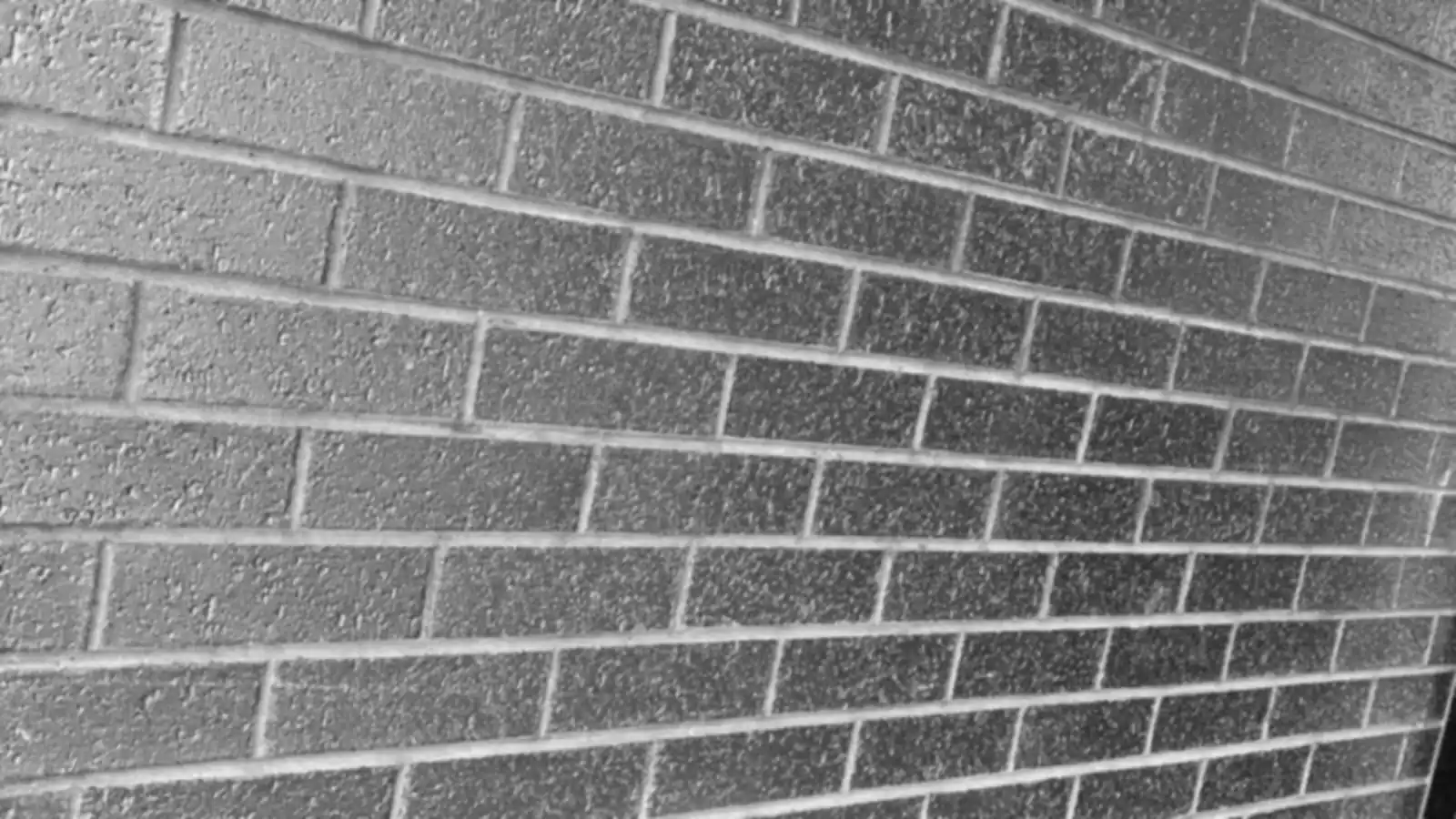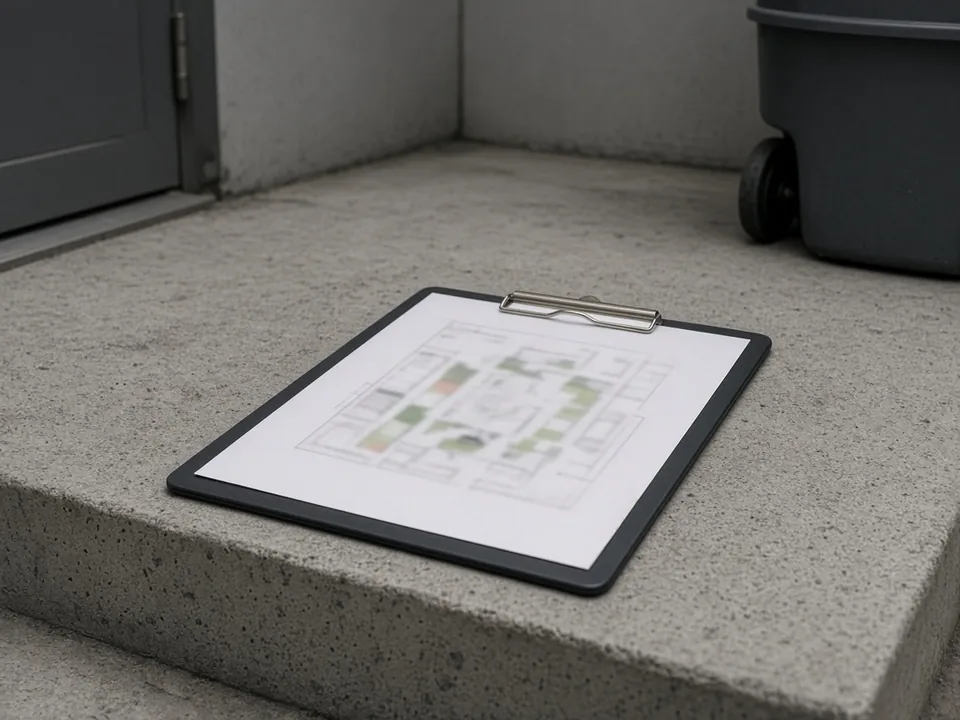
This Strata Cleaning article is written for Melbourne owners and managers who need more than a quick blast. Strata Pressure Cleaning jobs in our city require a surface diagnosis before any cleaning starts.
In Melbourne, everything from growth corridor new-build mortar smear to inner-suburb heritage brick has its own cleaning risk profile. The right method, chemistry and pressure keep the surface safe and the result lasting.
Spell out every common area
Driveways, foyer entries, stair treads, podium decks, basement carparks, bin rooms, balcony edges that are common property, and visitor bays — list each surface and its current condition. Melbourne OCs that skip this step compare three quotes for three different jobs and wonder why prices diverge.
Define the chemistry and method per zone
Render soft wash, concrete surface cleaning, degreaser on bin pads and oil bays, and gentle work on painted line markings should appear as separate lines. A scope that only says "pressure clean as required" lets vendors under-scope then vary on the day.
Access, parking and resident notices
Note boom-gate codes, water points, height clearances, visitor parking bans and preferred start times. Require the vendor to support a notice to lot owners at least a week before major common-area work. Quiet early weekday starts usually beat Saturday mornings in dense residential towers.
Containment and EPA expectations
State that detergent and oily water must not enter stormwater. Ask for drain mats, bunding or vacuum recovery appropriate to the site. Basement sumps and street pits on sloping driveways need explicit controls in the scope, not a verbal promise.
Include reporting and acceptance
Before/after photos, confirmation of containment used, and a final walk-through sign-off with the building manager should be deliverables. Committees use that pack at AGMs and when conveyancers ask about maintenance history during lot sales.
Split restoration from maintenance
A once-off catch-up clean after years of neglect is not the same price as a quarterly driveway programme. Write both into the template: Phase A restoration scope, Phase B recurring scope with intervals. That clarity stops committees rejecting necessary restoration because it was bundled into a "maintenance" line.
On the job
- List every common-area surface by material and location before seeking quotes.
- Specify chemistry and method per zone — "as required" invites scope creep.
- Include photo reporting, containment evidence and walk-through sign-off.
- Separate once-off restoration from recurring maintenance in the same document.
More guides
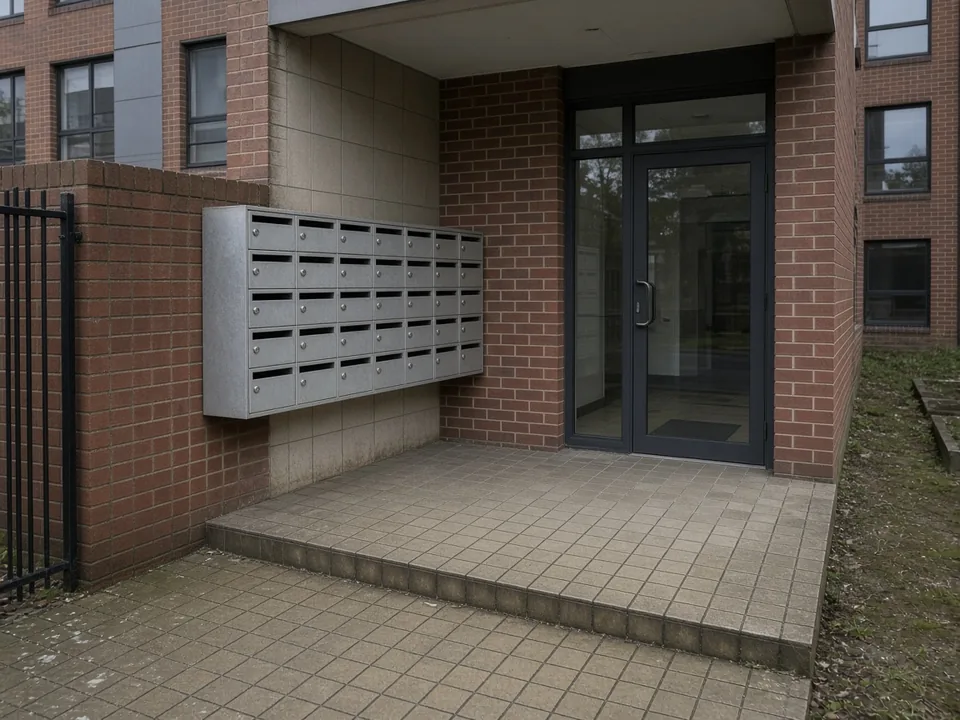
Strata Pressure Cleaning in Melbourne: What Body Corporates Should Know
A guide for strata managers planning common area pressure cleaning and exterior maintenance.
Read guide →
Why Strata Pressure Cleaning Quotes Vary 4× for the Same Building
Same site, four very different quotes. Heres what changes the price legitimately.
Read guide →
Strata Manager's Complete Guide to Exterior Cleaning: Scope, Compliance and Vendor Selection
A comprehensive guide for Victorian strata managers planning exterior cleaning across common areas — from scope writing and vendor selection to compliance documentation.
Read guide →