This Paver Cleaning article is written for Melbourne owners and managers who need more than a quick blast. Concrete & Paver Cleaning jobs in our city require a surface diagnosis before any cleaning starts.
In Melbourne, everything from growth corridor new-build mortar smear to inner-suburb heritage brick has its own cleaning risk profile. The right method, chemistry and pressure keep the surface safe and the result lasting.
Why joints empty during a proper clean
Algae, mud and old sand in joints hold moisture and weeds on Melbourne patios. Effective cleaning lifts that material. Expect some joint loss on older courtyards in Coburg, Brunswick and bayside villas — it is often a sign the clean reached the joint, not a mistake.
Let pavers dry before re-sanding
Broadcasting sand onto wet joints traps moisture and can stain. After cleaning, allow a dry weather window. Melbourne spring showers mean checking the forecast; a light cover of sand that turns to sludge helps no one.
Choose sand that matches the system
Kiln-dried jointing sand suits many standard concrete pavers. Polymeric sands harden when activated correctly but fail if over-wetted or applied on dirty joints. Follow the paver and sand manufacturer guidance rather than mixing leftover brickies sand.
Technique that protects edges
Use a broom to work sand in, compact if the system requires it, and sweep faces clean before any mist activation on polymeric products. Keep residue off freshly painted render skirts and pool coping.
When cleaning should be gentler
Sandstone, limestone and loose old pavements may need soft wash and careful rinsing so joints and arrises survive. If the patio already has large voids, discuss reinstatement before max surface-cleaner pressure is used.
Bundle clean and re-sand in one plan
Ask for a quote that states whether joint re-sand is included or excluded. Owners who discover empty joints a week after cleaning often pay a second mobilisation. Written scope avoids that surprise.
On the job
- Pressure cleaning often removes loose joint sand — plan for it.
- Re-sand after the paving is fully dry.
- Polymeric or stabilised sands need product-specific installation care.
- Wrong nozzle choice washes out joints and can scar paver faces.
Common questions
Should re-sanding be in the cleaning quote?
Ask for it to be stated as included or excluded. Cleaning often loosens joint sand, so planning avoids a second call-out.
When can I walk on polymeric sand?
Follow the product instructions — most systems need undisturbed curing time after correct activation and must be kept clean during that window.
More guides
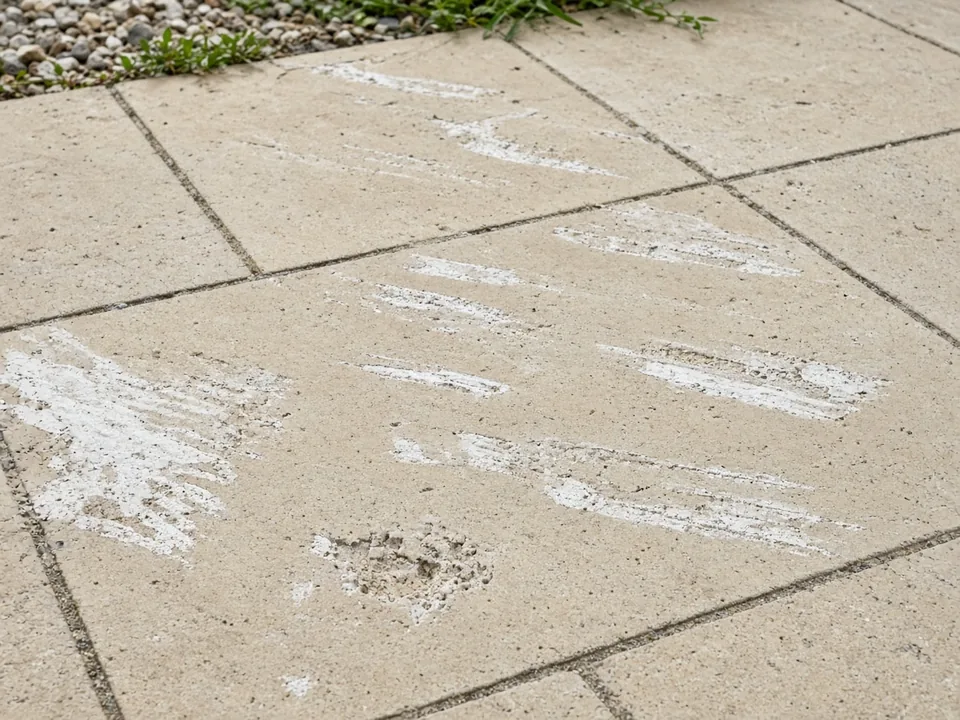
Why DIY Pressure Cleaners Damage Melbourne Sandstone Pavers
Hardware-store machines look harmless but a turbo nozzle can etch sandstone and exposed aggregate in seconds.
Read guide →
Surface Cleaner vs Wand: When Each Tool Wins
A flat-surface rotary cleaner saves hours on driveways but a wand is essential for edges, walls and detailed work.
Read guide →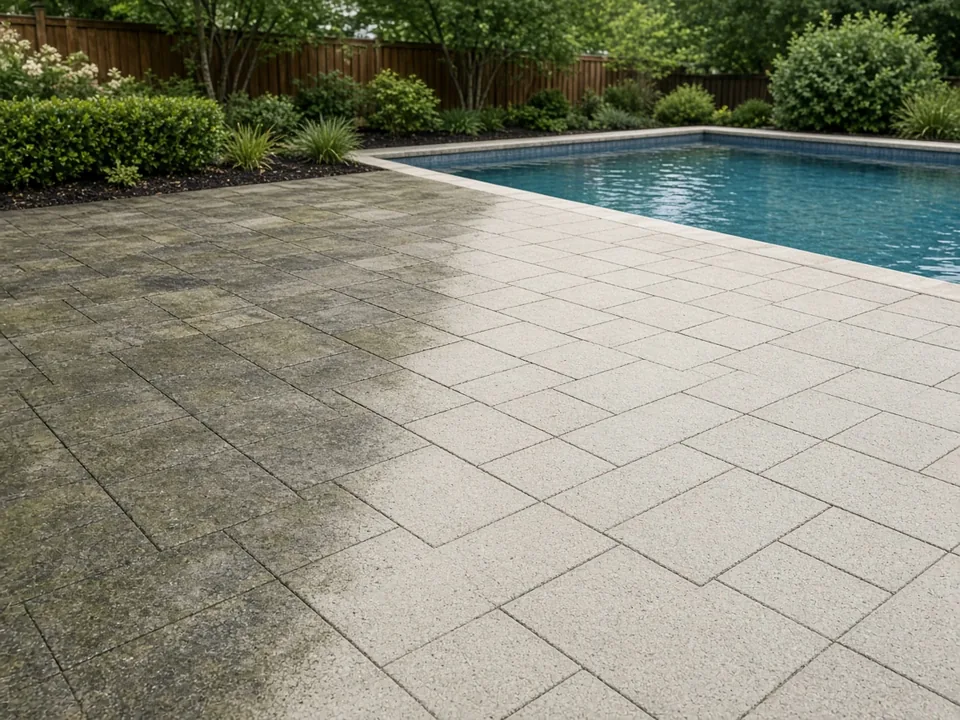
High Pressure vs Soft Wash for Patio Pavers
A comparison of when to use high pressure and when soft wash is the right choice for patio pavers and pool surrounds.
Read guide →